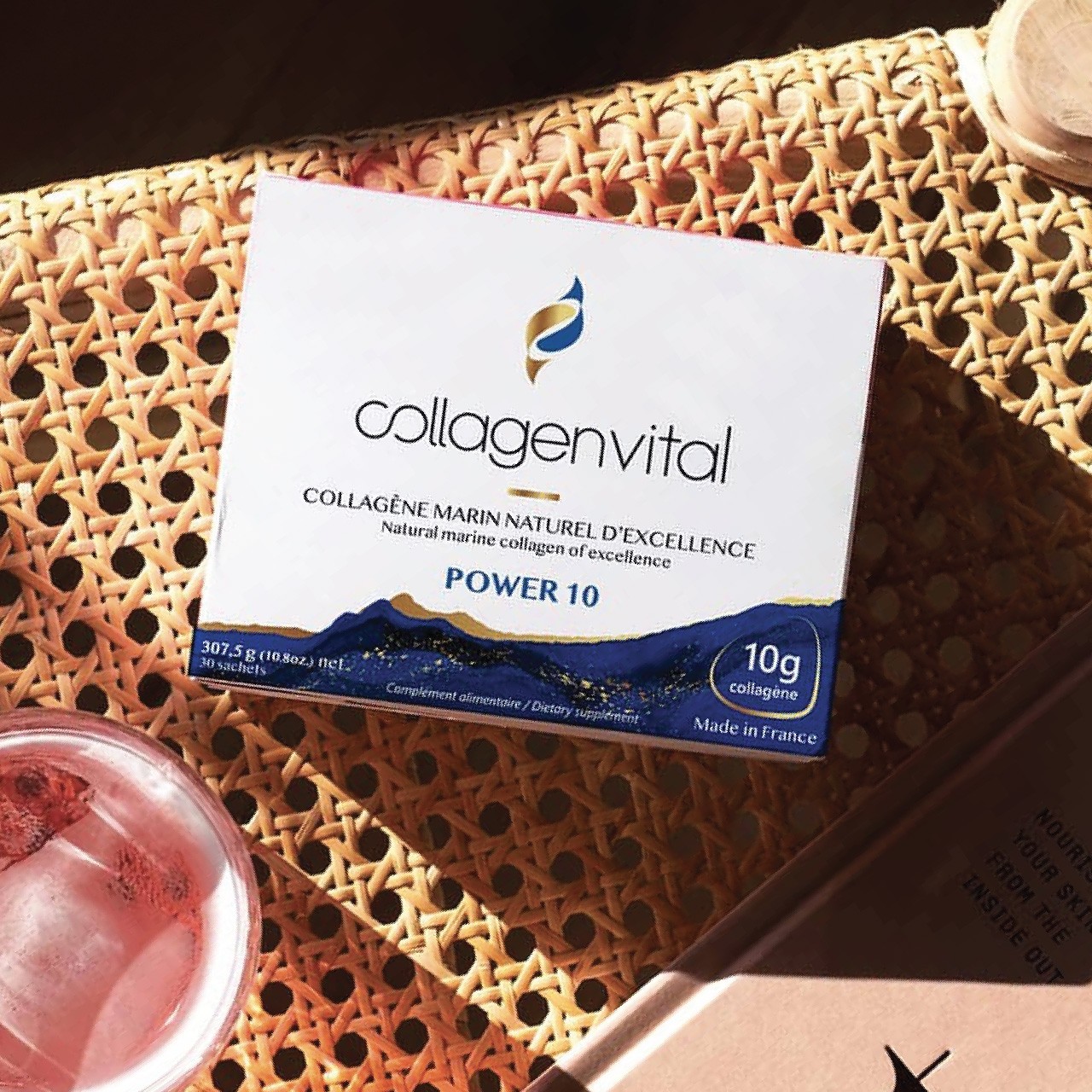
Marine Collagen for Sport — Expert Opinion
With 3 months to go before the Paris 2024 Olympics, Vita Recherche explores the potential of natural marine collagen for sports recovery and performance.

Marine collagen and elite athletes: 3 months before the Olympics
With less than 3 months to go until the Paris 2024 Olympic Games, why not support our athletes in their preparation routine — and ourselves as sports enthusiasts along the way?
Collagen is the main structural protein in our body. It plays a crucial role in the structure of many human body tissues, including skin, bones, tendons, ligaments, and cartilage. For elite athletes, consuming collagen supplements and following a diet rich in this protein can offer several advantages related not only to performance but also to recovery and the prevention of ligament and tendon injuries during competition.
What are the benefits of collagen supplementation for athletes?
Improved joint health: intense and repeated physical activity can put severe strain on the joints. Collagen helps maintain the strength and flexibility of tendons and ligaments, thereby reducing the risk of injury. Scientific studies show that collagen supplementation can also improve the symptoms of osteoarthritis and reduce overall joint pain.
Tissue recovery: Collagen supports the repair and regeneration of tissues, which is crucial for athletes undergoing intensive training. By helping to repair muscle micro-tears, collagen can accelerate muscle recovery and optimise performance.
Strengthening bones and cartilage: Bone density is essential for athletes, particularly those involved in high-impact sports. Powdered collagen contributes to the strength and health of bones by promoting bone mineralisation and helping to prevent fractures and osteoporosis.
Improved skin health: Although this does not directly affect performance, collagen helps maintain skin elasticity and hydration, which can be beneficial for those regularly exposed to the elements.
Athletes considering collagen supplementation should nonetheless consult their doctor or a sports nutritionist to ensure it integrates correctly into their nutritional and performance plan, particularly for pain management. The administration of collagen dietary supplements — whether in capsules, tablets (which do not provide sufficient dosing in this form) or powder to an athlete — must be tailored to their specific needs, their sport, their training type, their overall health, and their objectives, based on professional advice. However, there are general protocols based on hydrolysed collagen peptide powder supplements, supported by research, which can serve as a starting point.
Consult doctors' opinions and their recommendations on collagen.
The sports protocol: what you need to know
Taking a powdered collagen peptide supplement in drink form is increasingly used by elite athletes in their protocol. Here are a few key points to know.
What collagen dosage should an athlete take?
The recommended collagen dosage is generally 10 grams. Some individuals may require higher doses depending on their specific needs and sport. This can range from 10 to 20 grams per day. For elite athletes, studies have shown benefits for joint health, muscle tissue recovery, and bone health at these doses.
What about timing?
It is best to take your collagen dose before and after training:
Consuming the protein 30 to 60 minutes before training or sport can be particularly effective, especially when the goal is to improve joint health, prevent muscle soreness, or better maintain tissue. Having all the collagen amino acids circulating in the blood during and after exercise contributes to the healing and repair process.
Vita Recherche's advice: To increase absorption and effectiveness, hydrolysed collagen powder can be taken with a source of vitamin C, which aids collagen synthesis in the body. A product containing approximately 50 mg of vitamin C to complement the collagen peptide dose appears to be beneficial. This combination supports the protein's action.
What type of collagen?
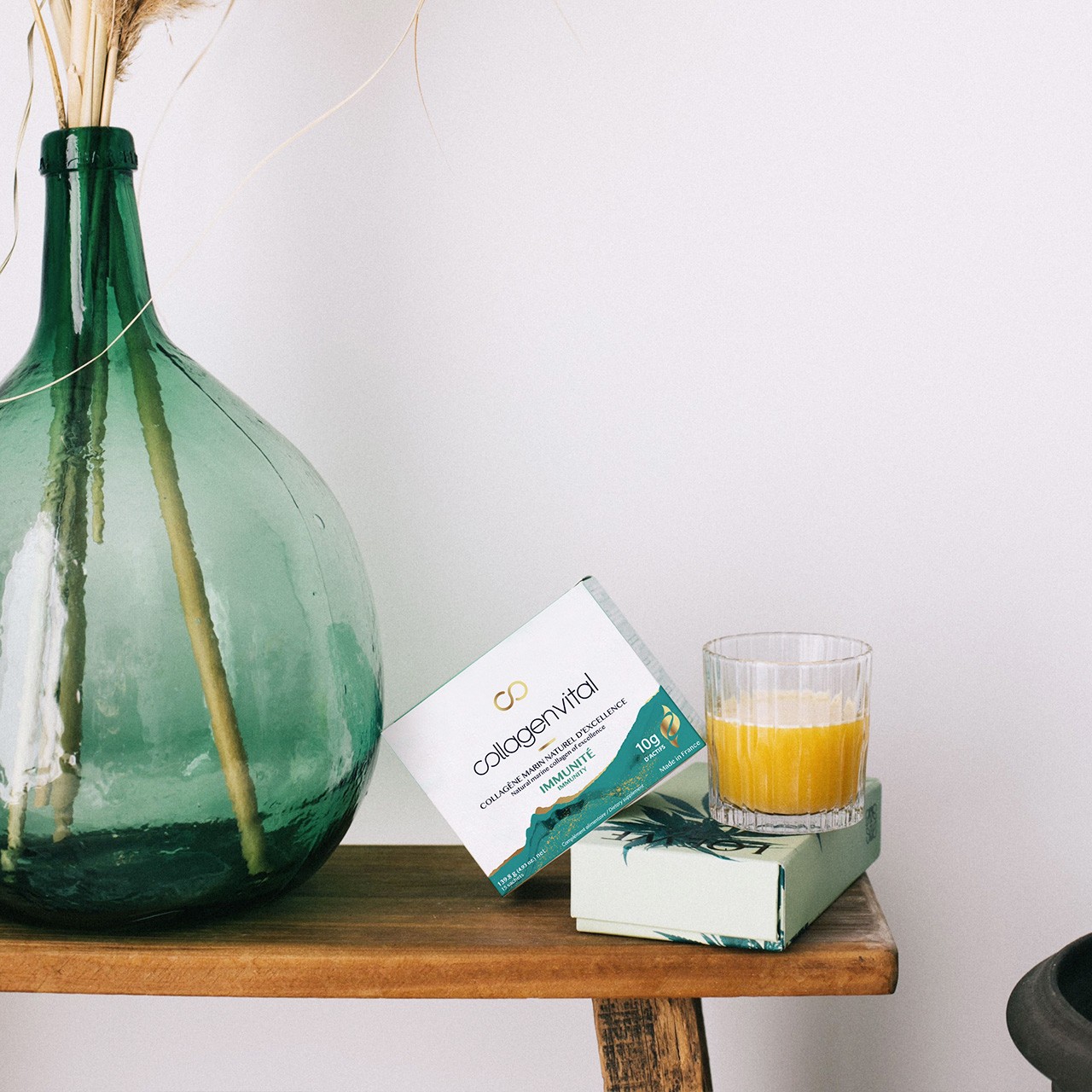
Hydrolysed collagen or collagen peptides in powder form (capsules and tablets do not offer sufficient dosing to support performance) is recommended due to its high bioavailability, meaning it is more easily absorbed and used to reach the target areas of the body that need it, compared to non-hydrolysed forms.
How long should athletes take collagen?
Collagen supplementation may require several weeks before the effects are fully felt. It is therefore generally recommended to take collagen sachets in a course lasting at least 4 to 6 weeks before competitions, in order to better assess its effectiveness.
When is the best time to take collagen?
The optimal timing for taking a drinkable collagen supplement can vary depending on personal preferences and your training routine. Some prefer to take their collagen supplements in the morning on an empty stomach to maximise their benefits, while others take them after training or before bed. The important thing is to remain consistent with daily intake to maximise results.
How to adjust your collagen intake?
It is important to monitor your body's response to collagen peptide supplementation and adjust the dose or timing if necessary. Needs may vary depending on training intensity, recovery phases, joint or muscle pain, age, and other individual factors.
Vita Recherche's advice: Always tailor your approach to the individual and their age. Drinkable collagen intake may need adjustment to suit each person's unique needs. A personalised approach — taking into account overall diet, hydration, age, rest, and other supplements — is crucial to optimising performance and achieving health, fitness, and flexibility goals.
The specific collagen supplementation protocol for an athlete will vary depending on several factors, including the type of sport practised, individual needs regarding joint, muscle, and bone health, as well as performance objectives.
However, here are some general guidelines based on expert opinion:
Before starting a collagen supplementation programme or any other supplement, it is essential to consult a healthcare professional — such as a sports doctor or nutritionist — to assess your specific needs and determine whether collagen supplementation is right for you.
Choosing the right type of collagen: There are indeed different types of collagen (at least 18), but types I and III are the most commonly used in collagen supplements due to their presence in connective tissues such as skin, bones, tendons, and ligaments. For athletes, a product containing primarily type I and III collagen may be more beneficial due to its effects on joint, muscle, and bone health.
Combining collagen with other nutrients: Certain nutrients, such as vitamin C and zinc, can enhance the catalysis of collagen synthesis and may therefore be beneficial when taken alongside hydrolysed collagen powder supplements. Discussing with your healthcare professional the possibility of including other nutrients in your collagen supplementation programme is a good approach for coordinated action.
In summary, in the opinion of professionals, the collagen supplement protocol for an athlete must be personalised based on individual needs, performance objectives, and desired benefits. The protein's action naturally contributes to overall well-being.
How can collagen specifically support athletes' tendons and joints?
To support the tendons and joints of athletes, hydrolysed marine collagen powder plays an essential role thanks to its beneficial properties on connective tissue, joint flexibility, and pain relief. You can obtain it from food sources or by supplementing — choosing a quality product that meets efficacy and quality criteria.
Read Dr Guillaume's article on the important role of collagen in supporting tendons and joints.
Where to find a collagen-rich diet?
Food sources: Although collagen itself is not directly found in many foods, proteins rich in the amino acids necessary for collagen synthesis — such as glycine, proline, and hydroxyproline — are useful. Good sources include meat, fish, poultry bones and skin, and broths made from bones.