How to Choose the Right Marine Collagen
Discover Christophe's expert advice — pharmacist and CrossFit athlete — on marine collagen: its benefits, what to look for, and his results with Collagen Vital Power.
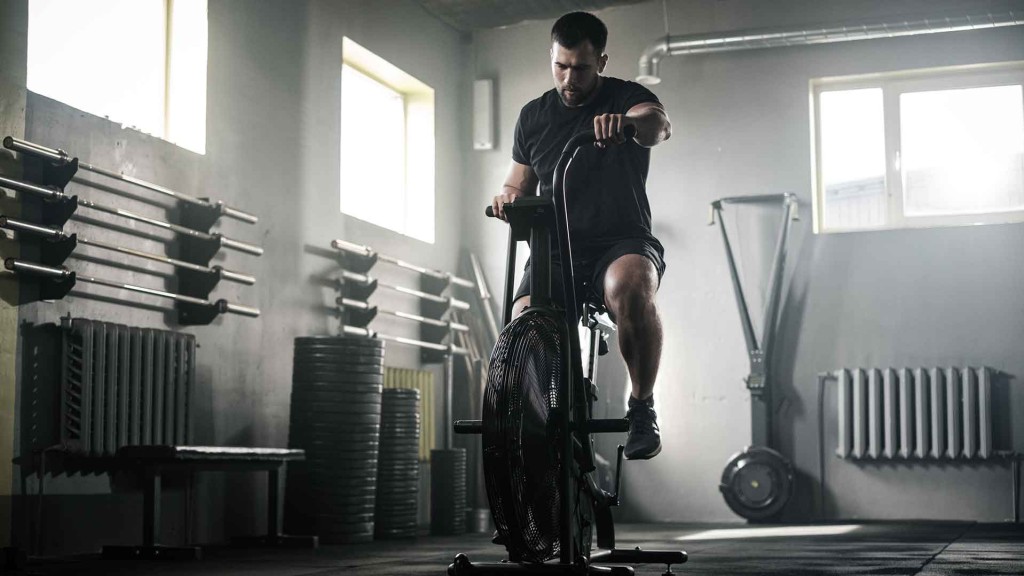
Testimony from Christophe, pharmacist and CrossFit athlete, on the benefits of marine collagen and his advice on choosing the right product.
Christophe: pharmacist and passionate athlete
An accomplished sportsman and keen competitor, Christophe is a pharmacist specializing in natural health and dietary supplements. He spent more than 10 years at the Cap 3000 pharmacy in Nice. Alongside his professional career, he trains intensively in CrossFit, a demanding discipline that combines cardio, gymnastics, and weightlifting.
To keep progressing without getting injured, he quickly understood the importance of marine collagen powder, which provides the essential amino acids needed for recovery and performance.
Why collagen is essential for athletic performance
Collagen is a structural protein found throughout the body: in the skin, cartilage, tendons, ligaments, blood vessel walls, and organs. It acts as a true biological cement, ensuring the cohesion and resilience of tissues.
The protective role of collagen
Many organs are surrounded by a connective tissue capsule made of collagen, which acts as a mechanical barrier against impact, friction, and infection. This protection is crucial for athletes, whose tissues are put under intense stress.
The restorative role of collagen
In the event of injury or inflammation, collagen plays an active part in the reconstruction of damaged tissue. It promotes healing, reinforces structural stability, and improves both muscular and joint recovery.
Why take marine collagen?
As we age, our natural collagen production declines:
- From the age of 30, production begins to decrease.
- By 40, we have already lost around 30% of our endogenous collagen.
An external supply of hydrolyzed marine collagen can help stimulate this natural production and keep tissues in good condition.
That said, it is essential to choose a high-quality supplement — one capable of withstanding gastric acids and being efficiently absorbed by the body.
How to recognize a good marine collagen
Supplements often come in the form of hydrolyzed collagen (also called collagen peptides). This processing aids absorption, but several other criteria are equally important:
- Optimal molecular weight: around 2,000 daltons, to preserve glycine, proline, and hydroxyproline.
- Di- and tri-peptide structure: a specific cleavage of the molecule ensures greater efficacy.
- Adequate dosage: at least 8 to 10 g per day, taken over a course of 1 to 3 months.
Type I and type III collagens are the most relevant for skin, internal organs, and tissue structure. Type I, the most abundant, accounts for 90% of the collagen in the human body.
The right criteria for choosing your collagen
- Opt for single-dose sachets (8 to 10 g). Capsules are under-dosed, typically containing just 1 to 2 g at most.
- Avoid liquid shots, which often contain chemical additives for preservation.
- Be wary of bulk powders: they oxidize when exposed to air and lose their effectiveness.
- Make sure the label clearly states "marine collagen."
Finally, choose a laboratory that guarantees impeccable traceability, scientifically validated research, and a responsible, eco-conscious approach.
My personal experience
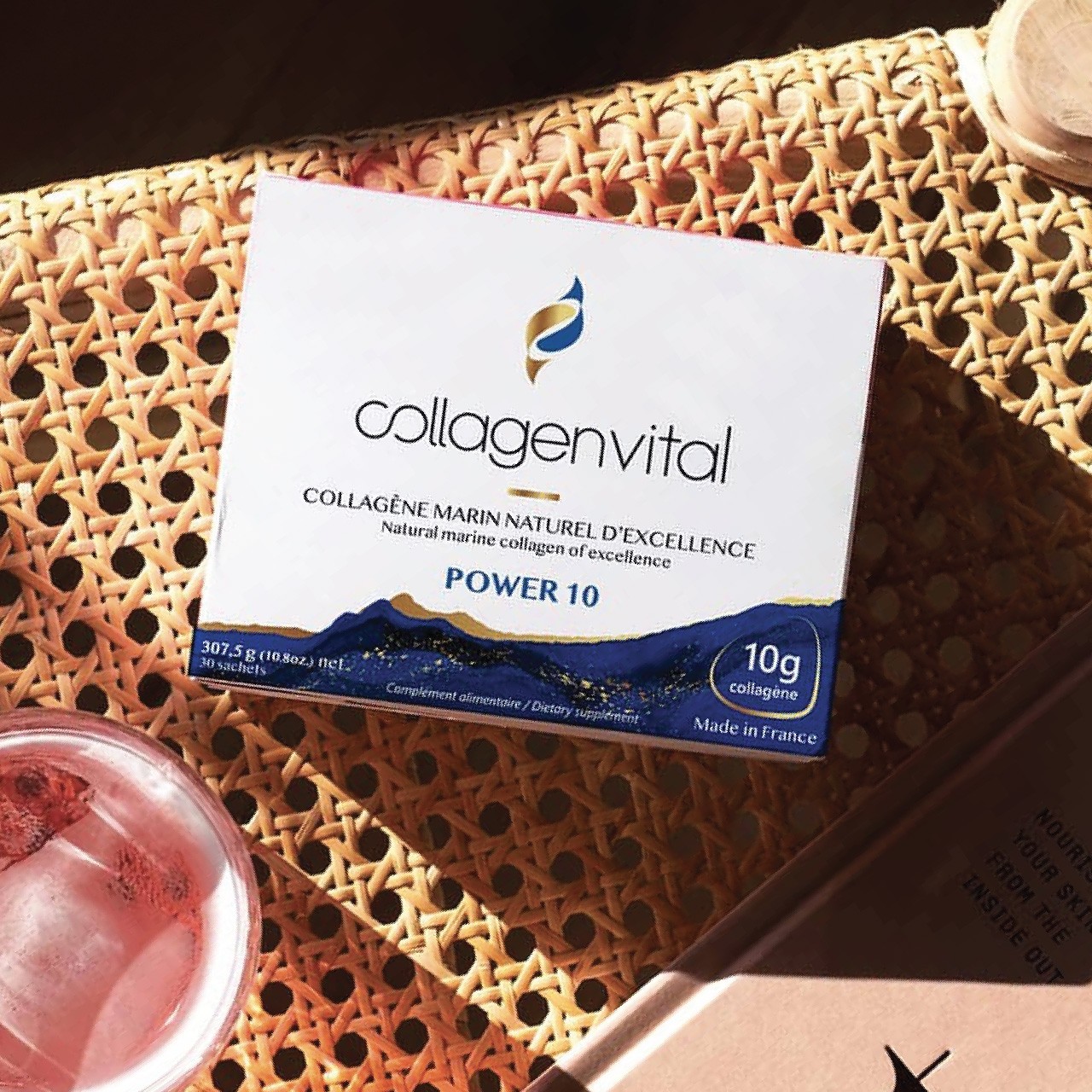
After attending several specialist training courses on collagen, one product stood out for its quality and scientific rigor: Collagen Vital Power by Vita Recherche.
Its formulation, specific peptide structure, and optimal dosage meet every criterion of excellence mentioned above.
Results observed after a 3-month course
- Noticeably improved joint comfort
- Optimized muscle recovery
- Reduction in soreness and inflammation
- Strengthened bone and tendon matrix
- Better overall tone and endurance
- No muscle injuries or tendinitis
Why take collagen before training?
Research (Shaw et al., 2017, Am J Clin Nutr) shows that taking collagen approximately 1 hour before exercise increases the availability of amino acids (glycine, proline, hydroxyproline) in the bloodstream precisely when tendons are being stimulated. The result: enhanced collagen synthesis and faster recovery.
Christophe concludes:
"Collagen is not an anabolic protein like whey, but it genuinely supports the regeneration of connective tissue. Since I started taking Collagen Vital Power, my performance and recovery have reached a whole new level."