What is the difference between protein intake and collagen?
Protein intake and collagen serve different roles. Learn how collagen supports skin, joints, and healthy aging beyond traditional proteins.
Why are proteins and collagen often confused?
Collagen is indeed a protein. However, its role in the body is very different from that of conventional dietary proteins. Understanding this distinction helps optimize nutrition, especially for joint, skin, and overall tissue health.
What is protein intake?
Protein intake refers to the daily consumption of proteins from animal or plant sources, which are essential for proper body function. In a sports context, protein intake supports muscle recovery, growth, and maintenance.
Proteins are required every day because the body does not store them efficiently. They are involved in building muscles, skin, organs, enzymes, hormones, and supporting the immune system.
Main functions of dietary proteins
- Muscle building and repair
- Enzymatic and hormonal regulation
- Immune system support (antibodies)
- Transport of substances (e.g. hemoglobin)
- Secondary source of energy
Common sources of protein
- Meat, fish, eggs
- Dairy products
- Legumes (lentils, chickpeas, soy)
- Protein powders (whey, pea, rice, hemp)
Collagen: a unique structural protein
Collagen is the most abundant protein in the human body. Unlike traditional dietary proteins, it does not primarily serve as an energy or muscle-building source, but rather acts as a true molecular framework.
Collagen intake aims to strengthen connective and supporting tissues such as skin, joints, tendons, ligaments, cartilage, hair, and nails.
A highly specific amino acid composition
Collagen stands out due to three key amino acids that are rarely found together in standard proteins:
Glycine
Glycine accounts for about one-third of collagen’s amino acids. It provides flexibility and cohesion to collagen fibers, promotes nervous system relaxation and sleep, supports creatine synthesis, and plays a role in liver detoxification.
Proline
Essential for connective tissue stability, proline contributes to skin elasticity, wound healing, and the structural integrity of blood vessels.
Hydroxyproline
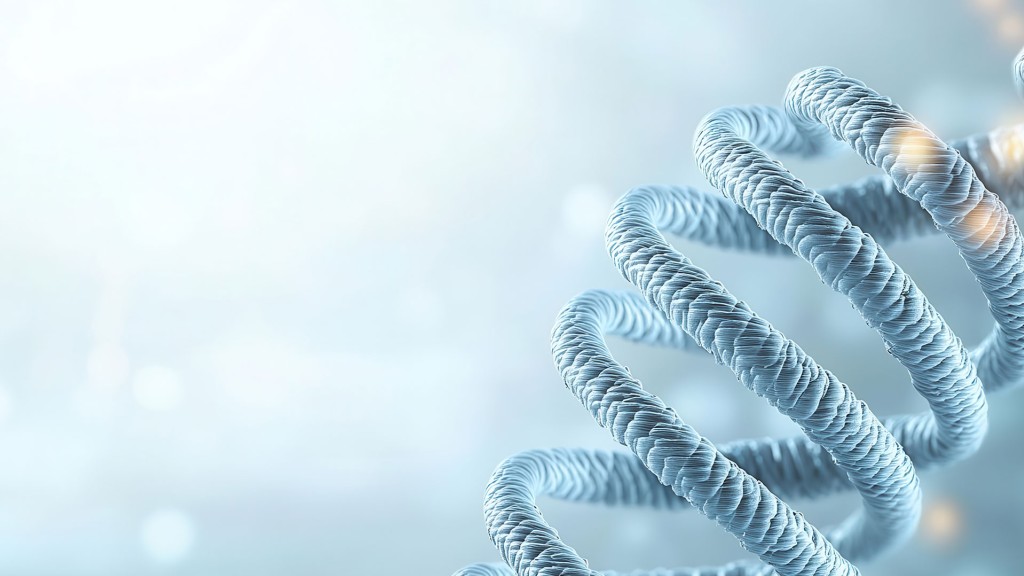
Specific almost exclusively to collagen, hydroxyproline stabilizes the triple helix structure and serves as a biological marker of collagen synthesis and renewal.
A central role in aging and tissue regeneration
Collagen represents 30 to 35% of all proteins in the body. Its natural production decreases with age:
- Approximately 1% per year from age 25
- Accelerated decline after 40
- Up to 50% reduction by age 60
This decline explains the appearance of wrinkles, loss of skin firmness, joint stiffness, and slower recovery after physical effort or injury.
Factors that reduce collagen production
- Smoking
- Excess sugar (glycation)
- UV exposure
- Oxidative stress
- Protein deficiencies
Why collagen complements dietary proteins
Collagen does not replace other proteins. It complements them by reinforcing tissues that traditional proteins do not specifically target.
Recent studies show that hydrolyzed collagen peptides are highly bioavailable and directly stimulate fibroblasts, the cells responsible for producing collagen and elastin.
Marine collagen: superior bioavailability
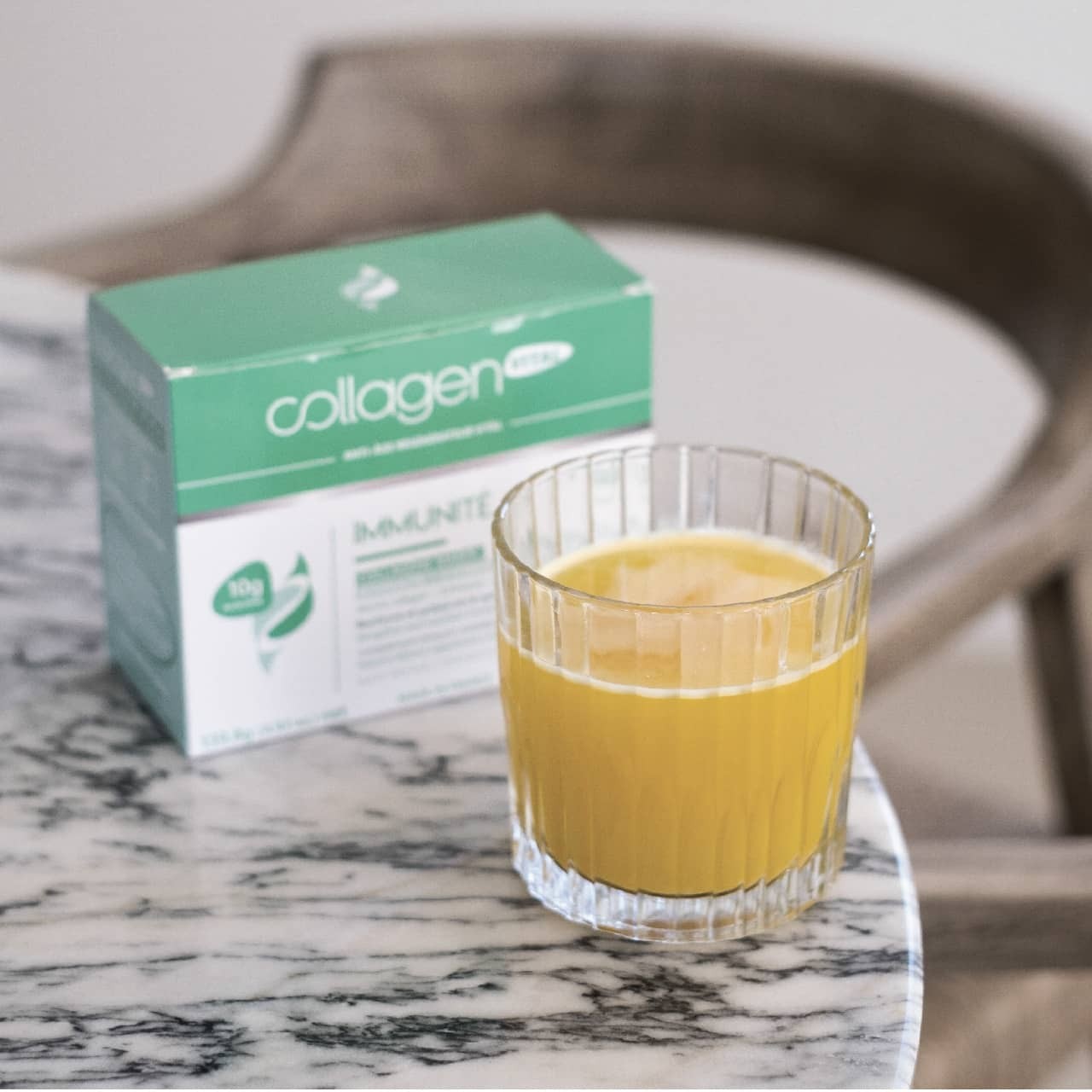
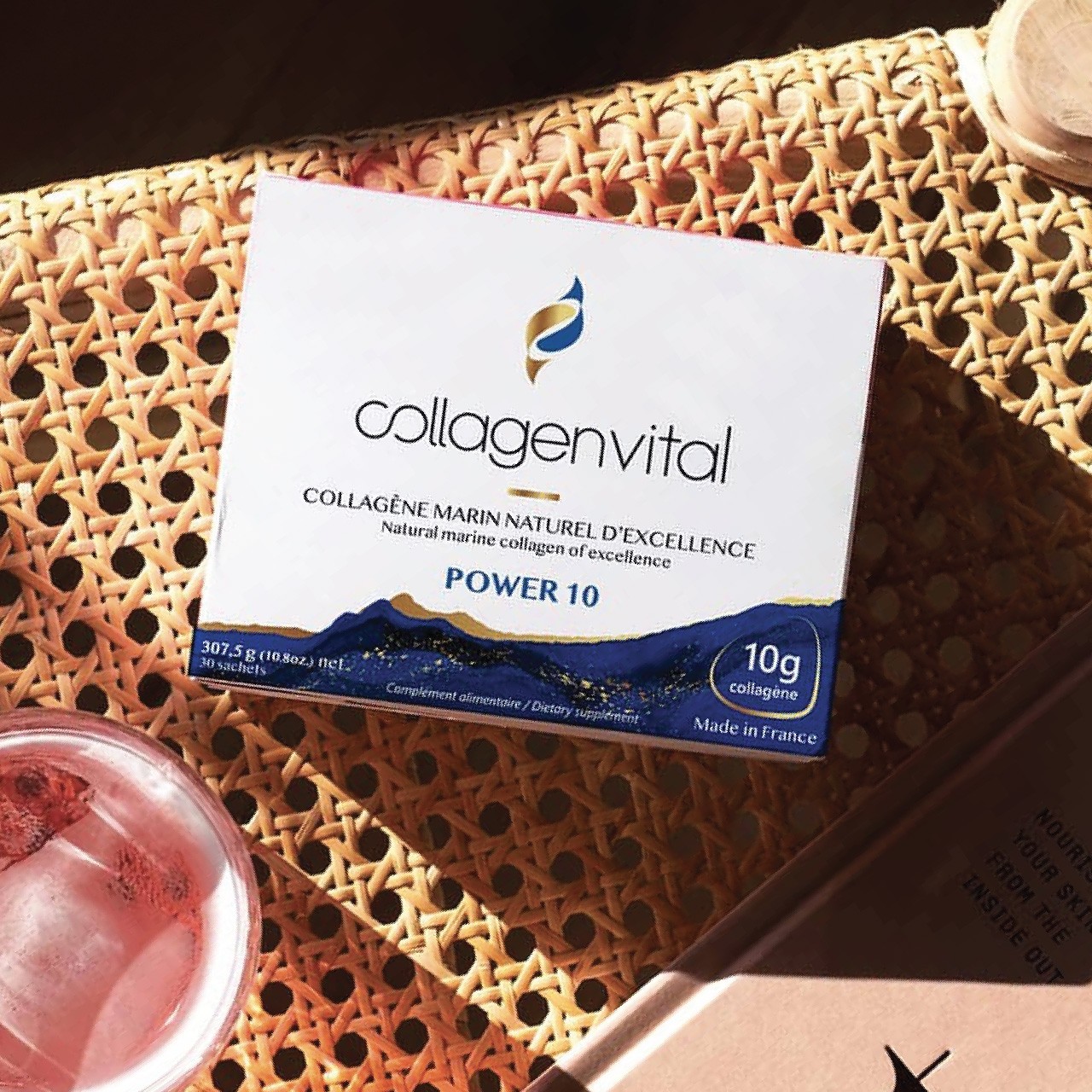
Hydrolyzed marine collagen, such as the Collagen Vital range, offers excellent absorption and a strong similarity to human collagen.
When and how to take marine collagen
- Morning: 1 sachet with vitamin C to stimulate collagen synthesis
- Evening: 1 sachet to support nighttime regeneration
- Before or after exercise: 1 to 2 sachets to support joints and connective tissues
Zinc, copper, and iron also act as enzymatic cofactors that support collagen synthesis.