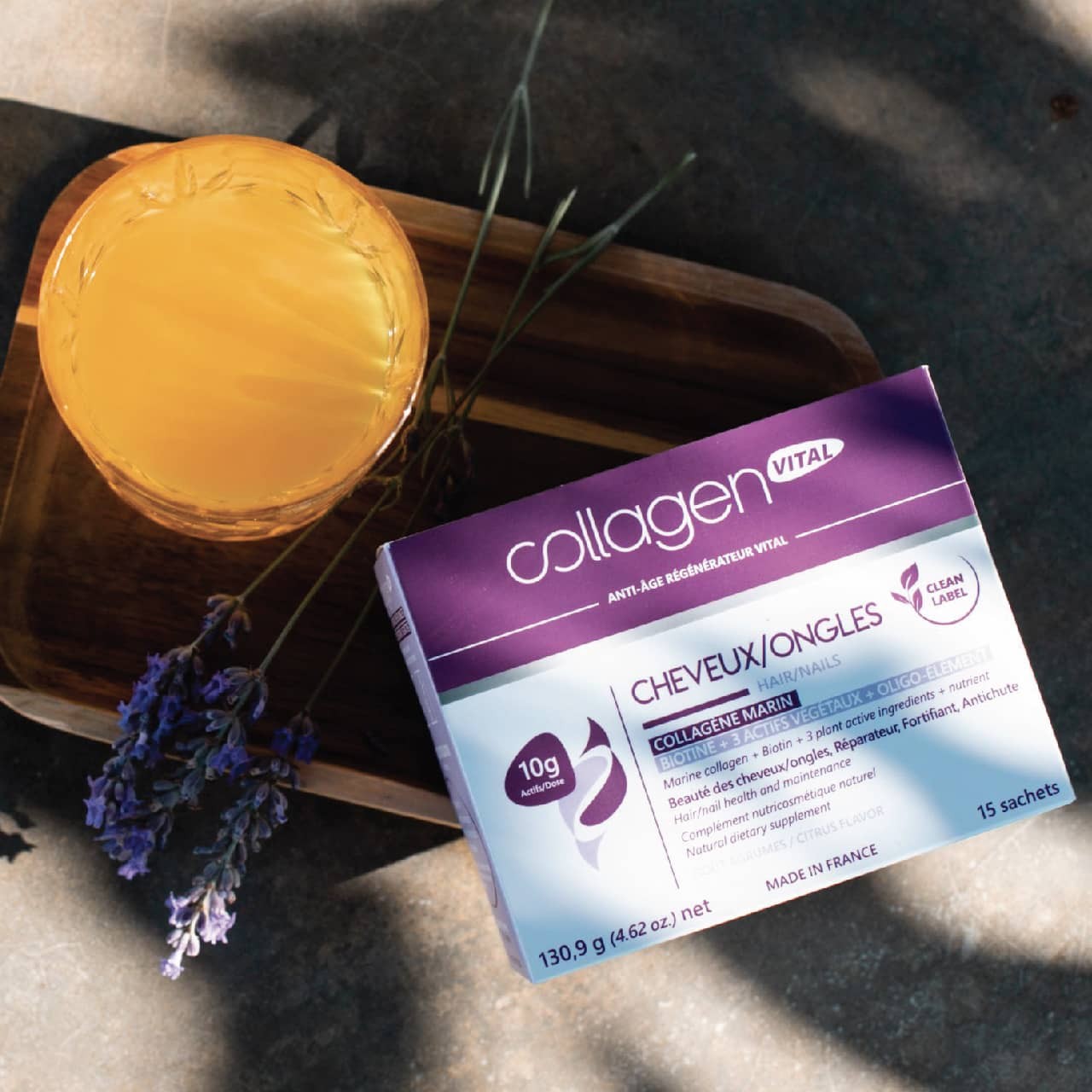
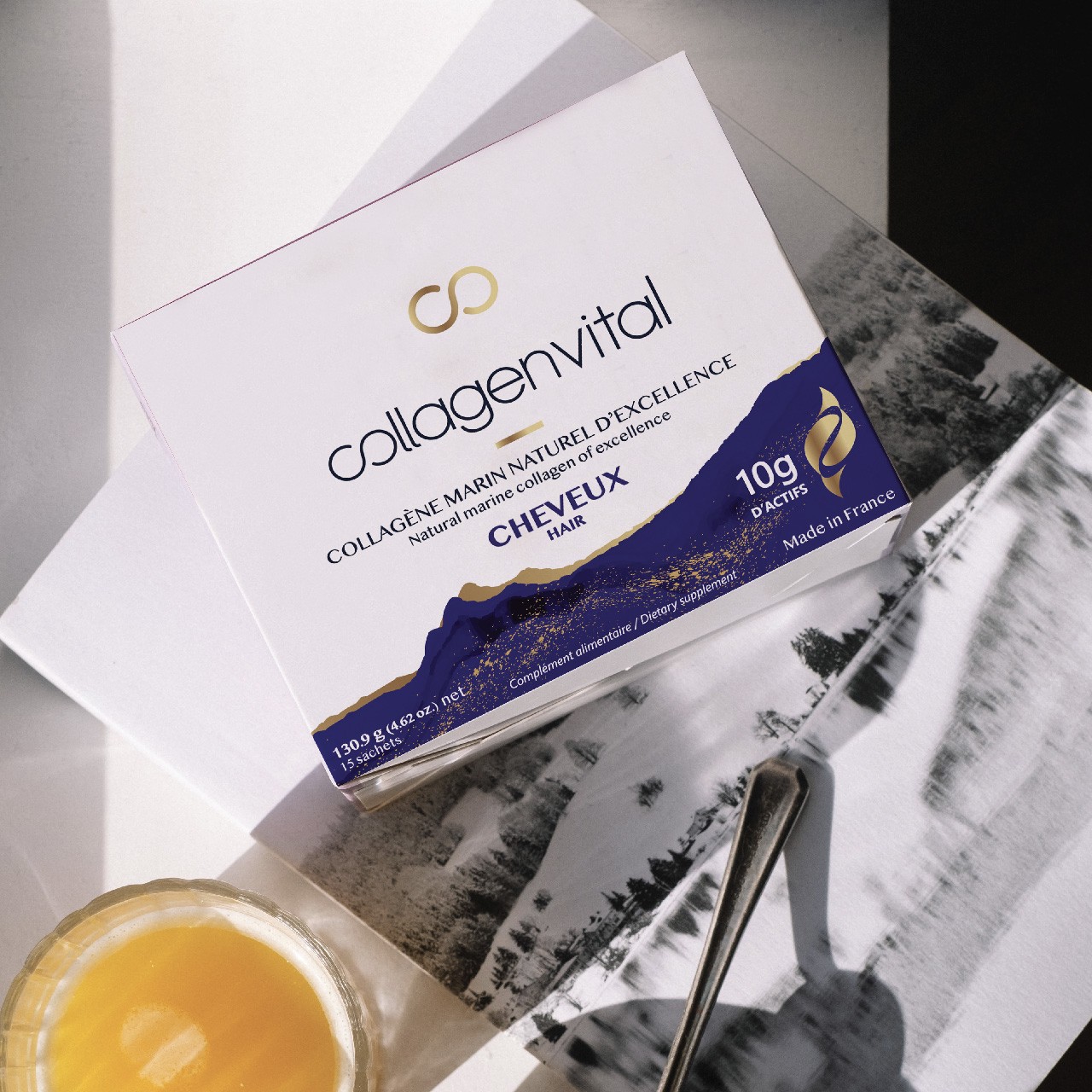
Hair Loss: Marine Collagen for Healthy, Beautiful Hair
Discover how marine collagen peptides stimulate keratin, strengthen hair fibers, and visibly improve shine and density for healthier, fuller-looking hair.

Marine Collagen: A Beauty Ally for Strong, Radiant Hair
Marine collagen plays an essential role in hair health and radiance. It acts directly on the hair bulb, improves scalp health, and supports keratin production. Discover how marine collagen peptides help strengthen your hair from the inside out.
Why Does Hair Lose Its Shine Over Time?
As we age, hair becomes finer and less lustrous. Hormonal changes, stress, post-natal fatigue, and certain health conditions can all affect hair quality. Whether you are in your thirties, a new mother, or in your sixties, your hair often reflects your overall state of health.
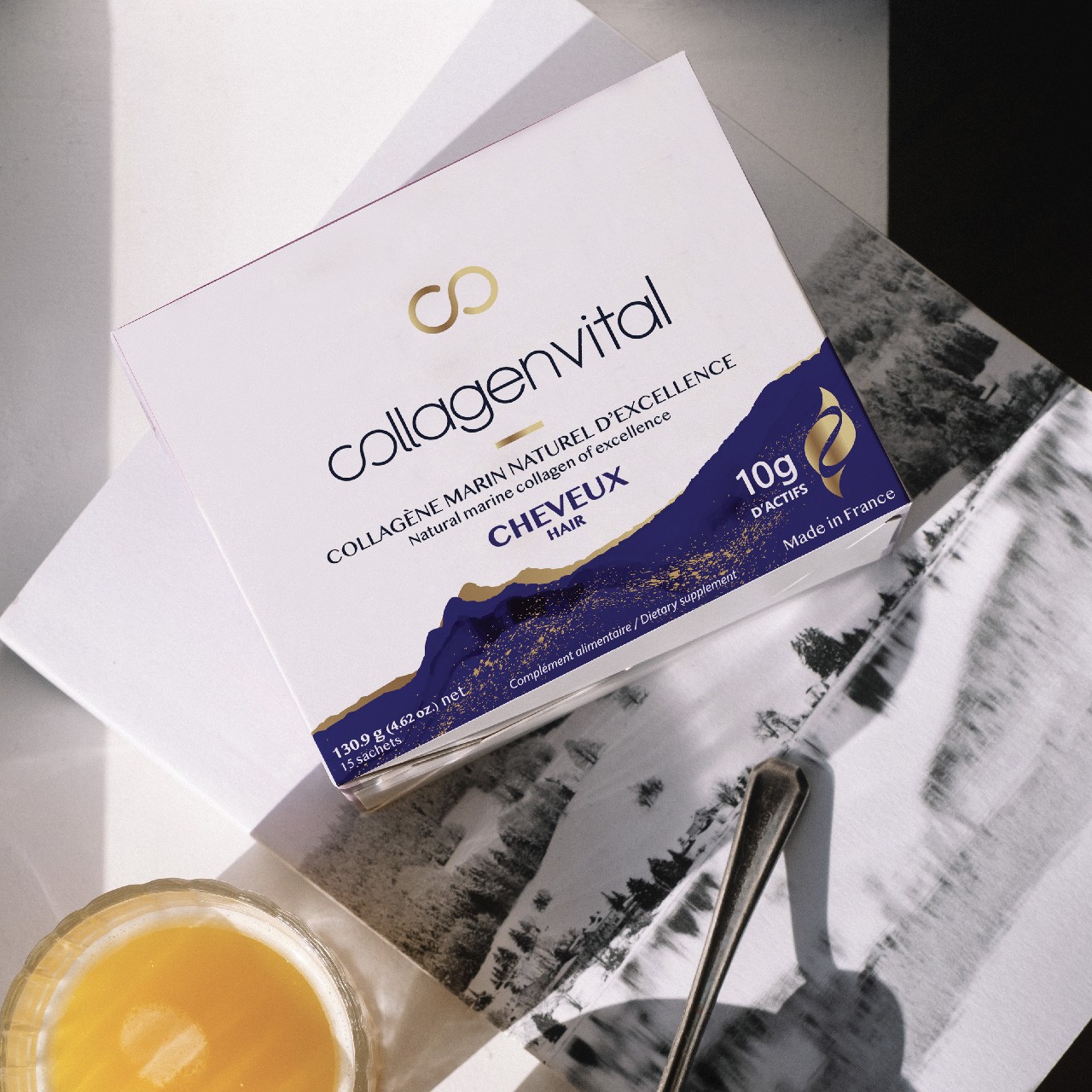
The Benefits of Marine Collagen Peptides for Hair
1. Natural Keratin Stimulation
Hair is composed of 95% keratin, a protein produced in the hair follicles. Collagen, rich in essential amino acids (glycine, proline, hydroxyproline), supplies the building blocks needed for keratin synthesis. The result: a stronger, shinier, and more supple hair fiber.
2. Improved Scalp Health
A well-hydrated and well-nourished scalp promotes the growth of healthy hair. Collagen contributes to skin elasticity and stimulates microcirculation around the hair bulb, optimizing nutrient delivery to the follicles. Hair then grows in denser and more radiant.
3. Protection Against Oxidative Stress
Pollution, UV exposure, tobacco, and stress all generate free radicals that weaken hair follicles. Hydrolyzed marine collagen peptides act as antioxidants and anti-inflammatories, limiting cellular damage and preserving the hair's natural shine.
4. Slowing Hair Aging
Over time, the body's natural collagen production declines, leading to a loss of hair density. A course of hydrolyzed marine collagen helps reinforce follicle structure and slow hair loss. The result: stronger, thicker, and more luminous hair.
Tips to Maximize the Effects of Collagen
- Choose hydrolyzed marine collagen peptides for optimal absorption.
- Combine collagen with biotin, zinc, or B-group vitamins.
- Follow a diet rich in proteins and antioxidants.
- Use moisturizing and protective hair care products.
Which Type of Collagen Is Best for Hair?
1. The Most Effective Types
- Type I collagen (marine): strengthens the hair fiber and improves shine.
- Type III collagen: improves scalp elasticity.
- Hydrolyzed marine collagen: derived from fish, highly bioavailable, and rich in active peptides for fast, visible results.
Recommendation: opt for hydrolyzed marine collagen, which is more effective than bovine or porcine collagen.
2. Optimal Dosages
Scientific studies recommend a dose of 8 to 10 g of hydrolyzed marine collagen per day over a course of 1 to 3 months:
- Prevention and maintenance → 8 g / day
- Damaged hair or significant hair loss → 8 to 10 g / day
Tip: take it in the morning on an empty stomach or in the evening before bed for better absorption.
3. Winning Combinations
- Vitamin C (kiwi, strawberries, bell peppers) – stimulates natural collagen synthesis.
- Zinc (oysters, lentils, cashews) – promotes hair growth and reduces shedding.
- Biotin (B8) (eggs, almonds, sweet potatoes) – strengthens keratin and adds shine.
- Silicon (cucumber, oats, nettle) – improves density and flexibility.
- Omega-3 (salmon, walnuts, chia seeds) – nourishes the scalp.
A supplement combining marine collagen, biotin, and zinc delivers visible results within just a few weeks.
4. Additional Tips
- Drink 1.5 to 2 liters of water per day to stay well hydrated.
- Massage your scalp regularly to stimulate microcirculation.
- Avoid harsh shampoos, excessive heat, and repeated chemical coloring.
- Use nourishing masks containing keratin, vegetable oils (argan, coconut), or hyaluronic acid.
Collagen, Science, and Hair: Understanding the Mechanisms
1. Anatomy of the Hair Follicle
Hair grows from the hair follicle, located in the dermis. This structure includes:
- The dermal papilla: nourishes the hair via its blood vessels.
- Keratinocytes: the cells that produce keratin.
- The connective sheath: rich in collagen and elastin.
- Fibroblasts: the collagen-producing cells.
2. The Structural Role of Collagen
- Anchoring support: collagen forms a scaffold around the follicle, providing secure anchoring. Its degradation weakens the hair.
- Nutrient transport: it facilitates the diffusion of amino acids and vitamins toward keratinocytes.
3. Impact on the Hair Growth Cycle
Collagen helps extend the growth phase (anagen) and reduce shedding (telogen). An adequate intake supports hair density and length.
4. Fibroblast Activation
With age, fibroblasts produce less collagen. Hydrolyzed collagen peptides stimulate their activity and reinforce the peri-follicular structure.
5. Protection Against Oxidative Stress
Free radicals generated by pollution, UV exposure, and tobacco damage the hair root. Hydrolyzed collagen acts as an antioxidant and protects the dermal papilla for healthy hair growth.
6. Scientific Studies
- Inoue et al., 2016 – Collagen degradation around the follicle was shown to accelerate hair loss.
- Koyama et al., 2019 – 5 g/day of marine collagen peptides over 12 weeks increased hair density and shine.
- Itoi et al., 2021 – Collagen peptides activate fibroblasts and extend the anagen phase.
Scientific Summary
- Collagen supports hair anchoring and nutrition.
- It stimulates fibroblasts and extends the hair growth cycle.
- It acts as an antioxidant against oxidative stress.
As part of a balanced diet, marine collagen becomes a true beauty ally for your hair. Have you tried the effects of marine collagen on your own hair?