Micro, hydrolysed and native collagen: what is the difference?
Discover the differences between native, hydrolysed and micro-collagen: structure, absorption, benefits for skin and health.
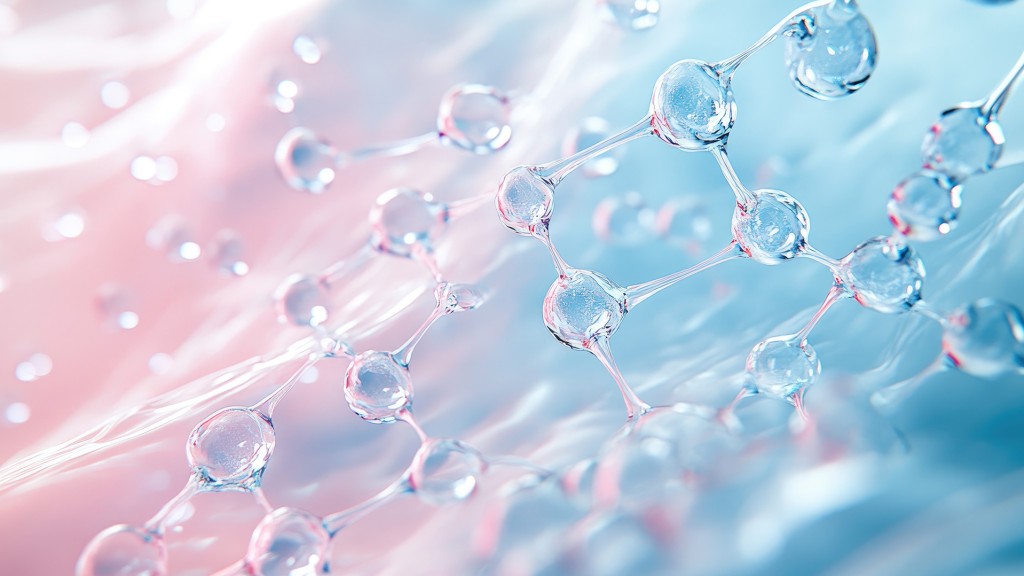
It is difficult to navigate the different types of collagen available on the market. It is even harder to understand the difference between micro-collagen, hydrolysed collagen and native collagen when you are a consumer with no background in molecular research.
Let us shed some light on the structures and benefits of each.
The three forms of collagen: native, hydrolysed and micro-fragmented
Native collagen
Unmodified, native collagen corresponds to the natural, intact form of the molecule, with its triple-helix structure. It is characterised by its very large molecular size (≈ 300 kDa), which cannot cross the skin barrier and acts mainly on the surface as a film-forming, moisturising and protective agent.
It is commonly found in:
- Moisturising creams
- Instant "lifting" masks
- Repair treatments (for its barrier effect)
Benefits: excellent moisturising power, instant tightening effect on the surface.
Limitations: it does not stimulate collagen synthesis and penetrates the skin very poorly.
Hydrolysed collagen (collagen peptides)
Collagen hydrolysis is a technique that breaks down the protein into easily absorbable peptides. Its characteristics depend on the molecular weight, which varies according to the degree of hydrolysis:
- 2 to 10 kDa in cosmetics
- 1 to 3 kDa for dietary supplements
It is used in certain anti-ageing creams, firming serums and dietary supplements (drinks, powders, capsules).
Benefits: better penetration than native collagen, fibroblast stimulation, excellent tolerance.
Limitations: effectiveness depends on molecular weight — not all hydrolysates are equal.
Micro-collagen (micro-fragmented collagen / ultra-short peptides)
This is an even more fragmented form than standard hydrolysed collagen. Its molecular weight is below 3 kDa (sometimes as low as 500 Da). These micro-peptides are capable of interacting directly with cells.
Their characteristics allow very high penetration into the epidermis through bio-identical or biomimetic molecules (depending on the method).
It is mainly found in:
- Premium anti-ageing serums
- Pro-collagen treatments
- Post-treatment dermo-cosmetics, microneedling or soft laser procedures
Specific benefits:
- Penetration into the deeper layers of the epidermis
- Fibroblast activation
- Enhanced stimulation of collagen I and III
- More pronounced long-term anti-wrinkle effect
- Highly stable and effective
Limitations: high cost, requires an optimised formula to remain active.
Why is hydrolysed collagen more widely used in dietary supplements?
What is collagen hydrolysis?
Collagen is a structural protein abundantly found in the body (skin, bones, cartilage, tendons). Its structure is a triple helix made up of three polypeptide chains, rich in glycine, proline and hydroxyproline, with a high molecular weight of approximately 300 kDa. This large size makes collagen poorly digestible and difficult to absorb as is. This is where hydrolysis comes in.
Hydrolysis is a chemical reaction in which water breaks the peptide bonds of proteins. In the case of collagen, proteolytic enzymes (pepsin, alcalase, papain, etc.) or acid and heat gradually break down the triple helix to form short peptides: these are collagen peptides.
What are the effects of hydrolysis?
- Molecular weight reduction: from 300 kDa to 5 kDa or less
- Increased water solubility
- Better bioavailability: smaller peptides cross the intestinal barrier more effectively
Why is hydrolysed collagen better absorbed?
The small intestine absorbs proteins mainly in the form of dipeptides (2 amino acids), tripeptides (3 amino acids) and free amino acids. Hydrolysed peptides fall within this optimal absorption window.
Studies show that hydroxyproline-containing peptides cross the intestinal barrier more efficiently and reach the bloodstream as:
- Bioactive peptides (e.g. Pro-Hyp, Hyp-Gly)
- Free amino acids
These fragments then stimulate:
- Fibroblasts (collagen-producing cells)
- Type I collagen synthesis
- Hyaluronic acid production
- Antioxidant and anti-inflammatory activity
What are bioactive peptides?
Bioactive peptides are specific short fragments that possess biological activity, such as fibroblast stimulation and type I collagen synthesis. However, mastering this process requires genuine expertise that few collagen brands possess.
High-quality drinkable collagen comes in a hydrolysed form of around 2,000 daltons. For supplementation, optimal absorption occurs around this molecular size: small enough to be well assimilated, yet large enough to retain the characteristic peptides of collagen. The peptides must be neither too large nor too small, but at an ideal size.
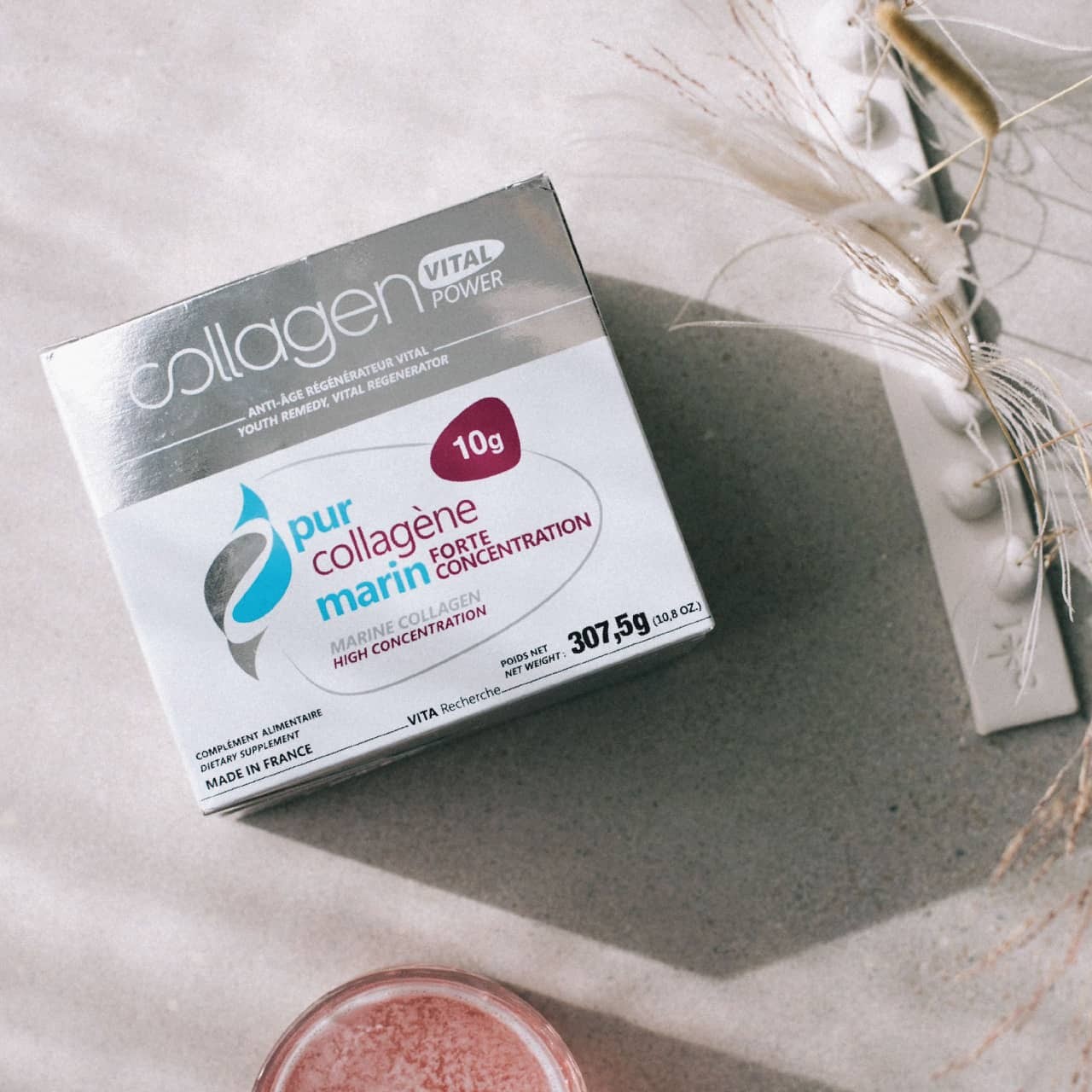
This is precisely the case with Collagen Vital Power, our marine collagen hydrolysed to 2,000 daltons for optimal absorption. Explore our full Collagen Vital range for comprehensive support: beauty, immunity, hair and joints.
Micro-collagen in dermo-cosmetics
What is the hydrolysis of micro-collagen?
Micro-collagen consists of molecules that are broken down even further than the collagen used in dietary supplements. It is essentially a highly hydrolysed version, with peptides below 500 Da.
This size allows ideal penetration into the epidermis — the reason why dermo-cosmetics increasingly relies on biotechnology to produce very finely fragmented collagen (peptides < 1 kDa).
Biotechnology enables dermo-cosmetics to harness these high-performance small peptides, as well as natural active ingredients from marine or terrestrial plants, multiplied in the laboratory without harming the planet.
What does micro-collagen bring to dermo-cosmetics?
Better skin penetration
Unlike standard collagen, whose molecular size is too large to cross the skin barrier, micro-collagen can diffuse deeper into the epidermis, where it acts directly on the cells.
Fibroblast stimulation
Collagen peptides are perceived by the skin as a repair signal, which stimulates fibroblasts. The result: increased collagen I and III, improved dermal structure and an overall anti-ageing effect.
Improved firmness and elasticity
Thanks to this internal stimulation, the skin becomes firmer, more elastic and wrinkles are visibly reduced. This is a progressive, biological effect — not just a cosmetic one. For more on this topic, read our article How to choose the right marine collagen.
Moisturising role
Hydrolysed collagen is also an excellent humectant: it attracts and retains water in the stratum corneum. This contributes to suppler skin, an immediate bounce-back effect and a smoother appearance.
Protective and restorative effect
Micro-collagen can help to:
- Repair a weakened skin barrier
- Improve superficial healing
- Reduce redness caused by inflammation
It is frequently used in anti-ageing creams, restructuring serums and post-procedure care (light peeling, microneedling).
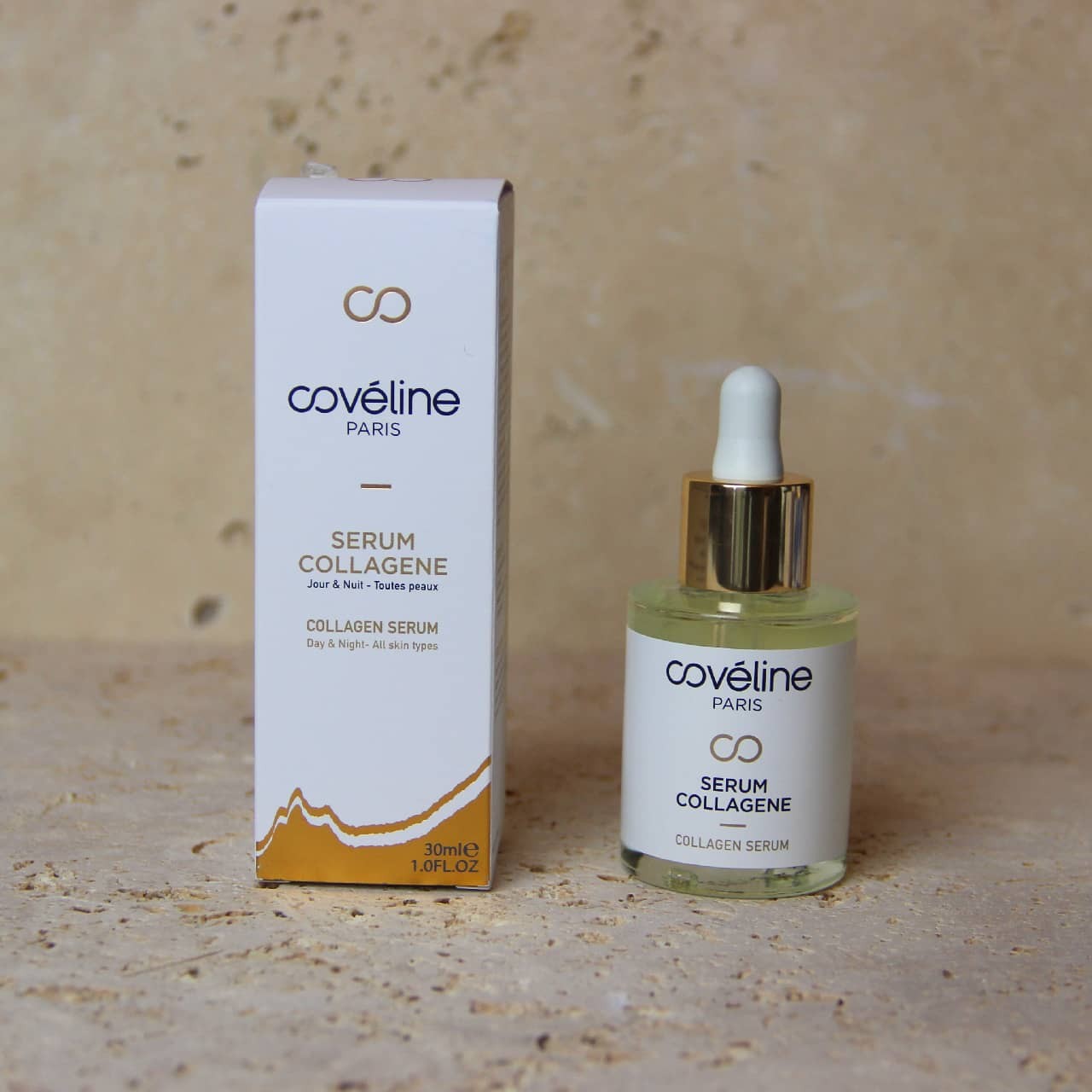
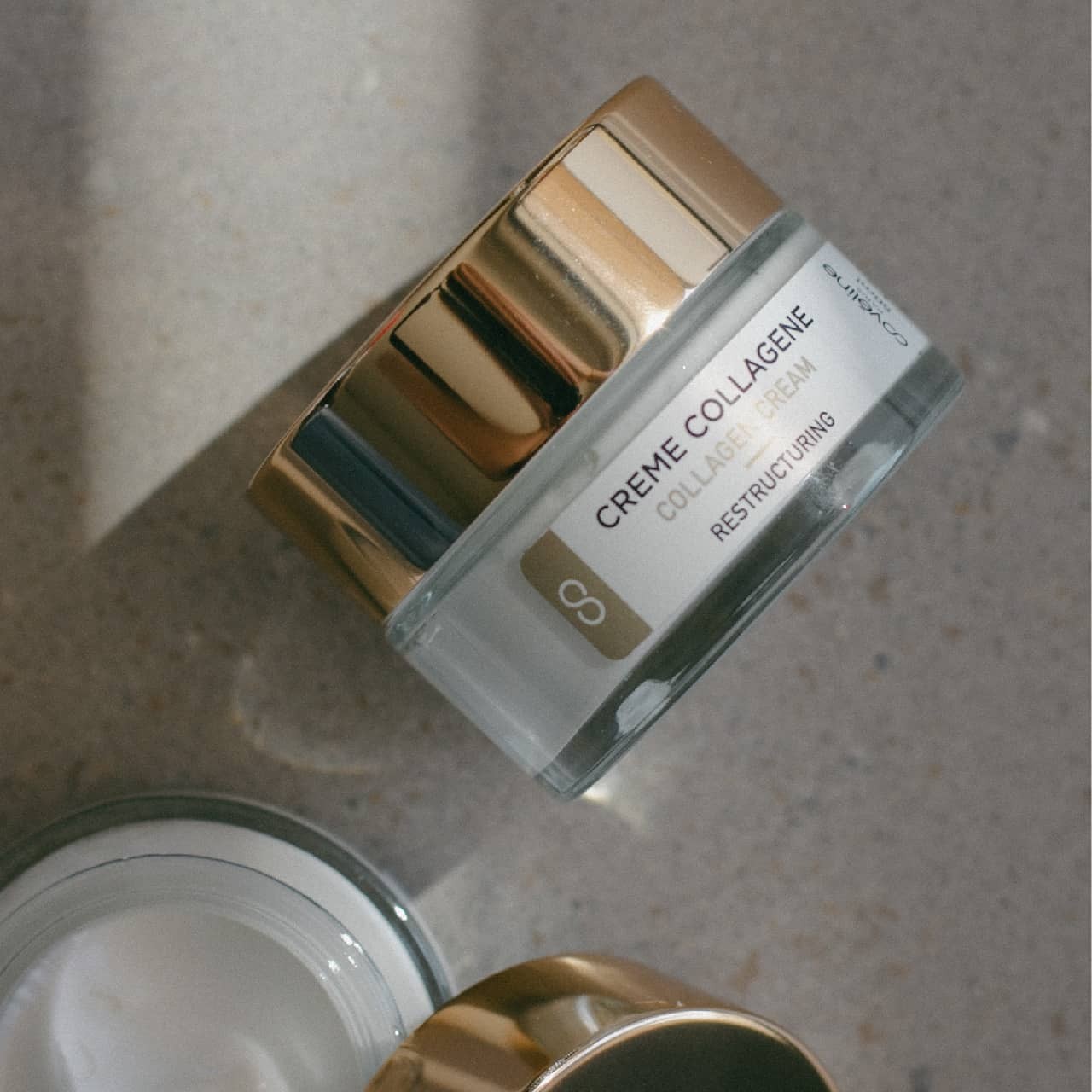
Covéline Paris products: micro-collagen at the service of your skin
We recommend discovering the Covéline Paris range, whose proven results include:
- Better active ingredient penetration
- Proven fibroblast stimulation
- Improved epidermal elasticity and firmness
- Enhanced hydration
- Support for skin cell renewal
Discover our Collagen Serum and Collagen Cream, two treatments formulated with marine micro-collagen for deep-acting results.
Also read: Pharmacist review: results with Collagen Vital Beauty and Collagen, immunity, longevity.