Sports protocol: protein supplements or marine collagen?
Classic protein or marine collagen: which is best for sport? Discover the ideal protocol to perform, recover and prevent injuries effectively.

Protein or collagen? What should you prioritise in sports nutrition?
This is one of the great debates of the moment! The short answer: collagen does not replace classic protein, but it becomes a complementary and essential supplement for any athlete who wants to perform, last and recover.
Classic proteins feed the muscle. Collagen maintains the structures that hold the muscle together. Both are essential for a body that is strong, mobile and resilient.
How collagen supports the athlete's body
An athlete's body endures repeated micro-trauma: impacts, intense contractions, stretching and mechanical stress. Collagen plays a key role in several areas to prevent injuries:
- Tendons and ligaments: made up of 70–80% collagen, it strengthens their elasticity and resistance, reducing the risk of tendinitis, sprains and tears.
- Cartilage and joints: it helps maintain joint mobility and reduce wear caused by intensive training.
- Recovery and repair: it stimulates tissue regeneration after muscular or tendon micro-injuries. Combined with vitamin C, it also speeds up internal healing.
- Energy and nervous recovery: glycine (an amino acid in collagen) promotes deep sleep and nervous recovery, both essential for performance.
Protein vs collagen: a nutritional comparison
Classic protein (e.g. whey) contains all essential amino acids. Its effect on muscle mass is significant as it stimulates muscle protein synthesis via leucine. However, its effect on tendons and joints remains indirect.
Hydrolysed collagen is incomplete in essential amino acids (low in tryptophan and leucine). Its effects on muscle mass are weaker than classic protein. This means it cannot fully replace the dietary protein needed for muscle building.
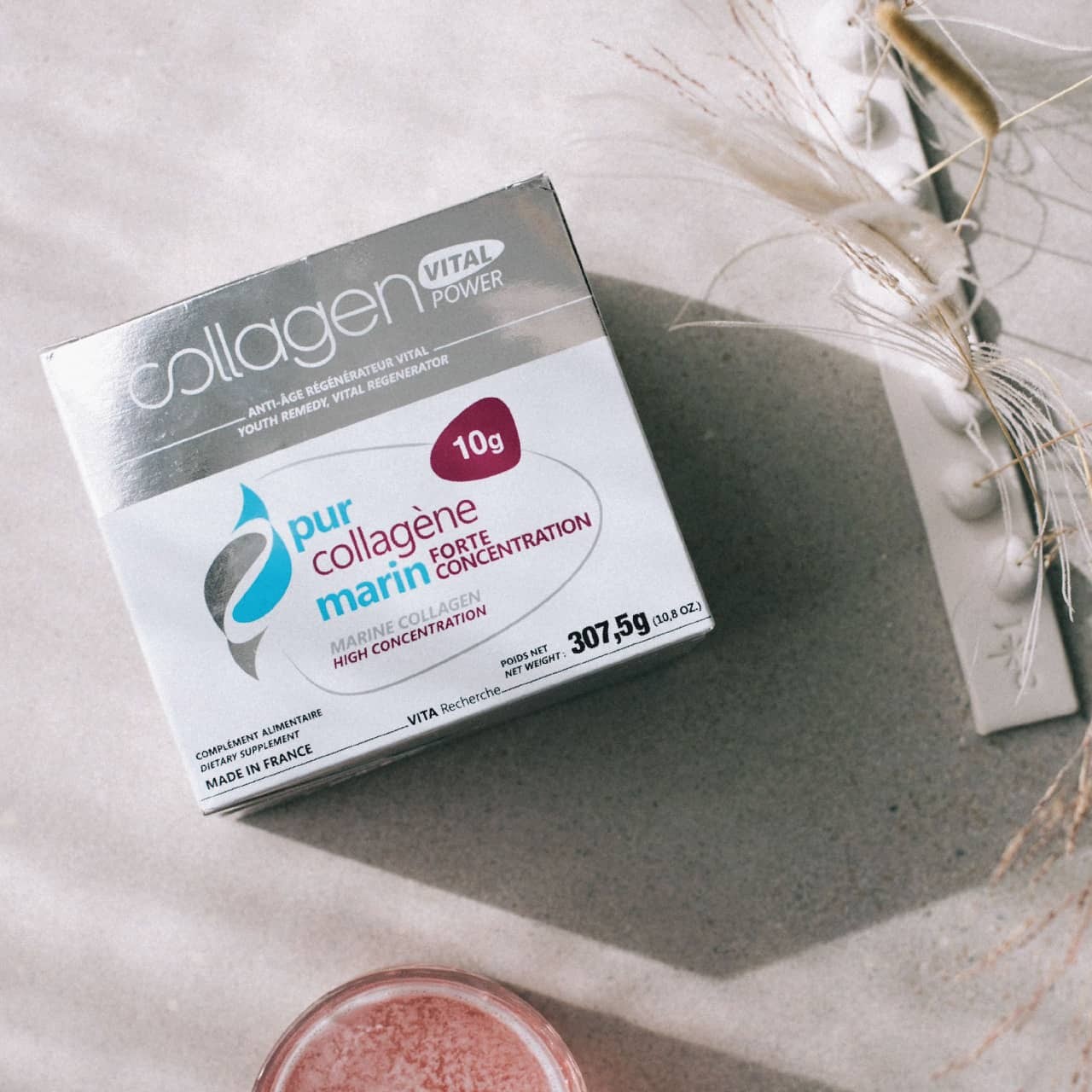
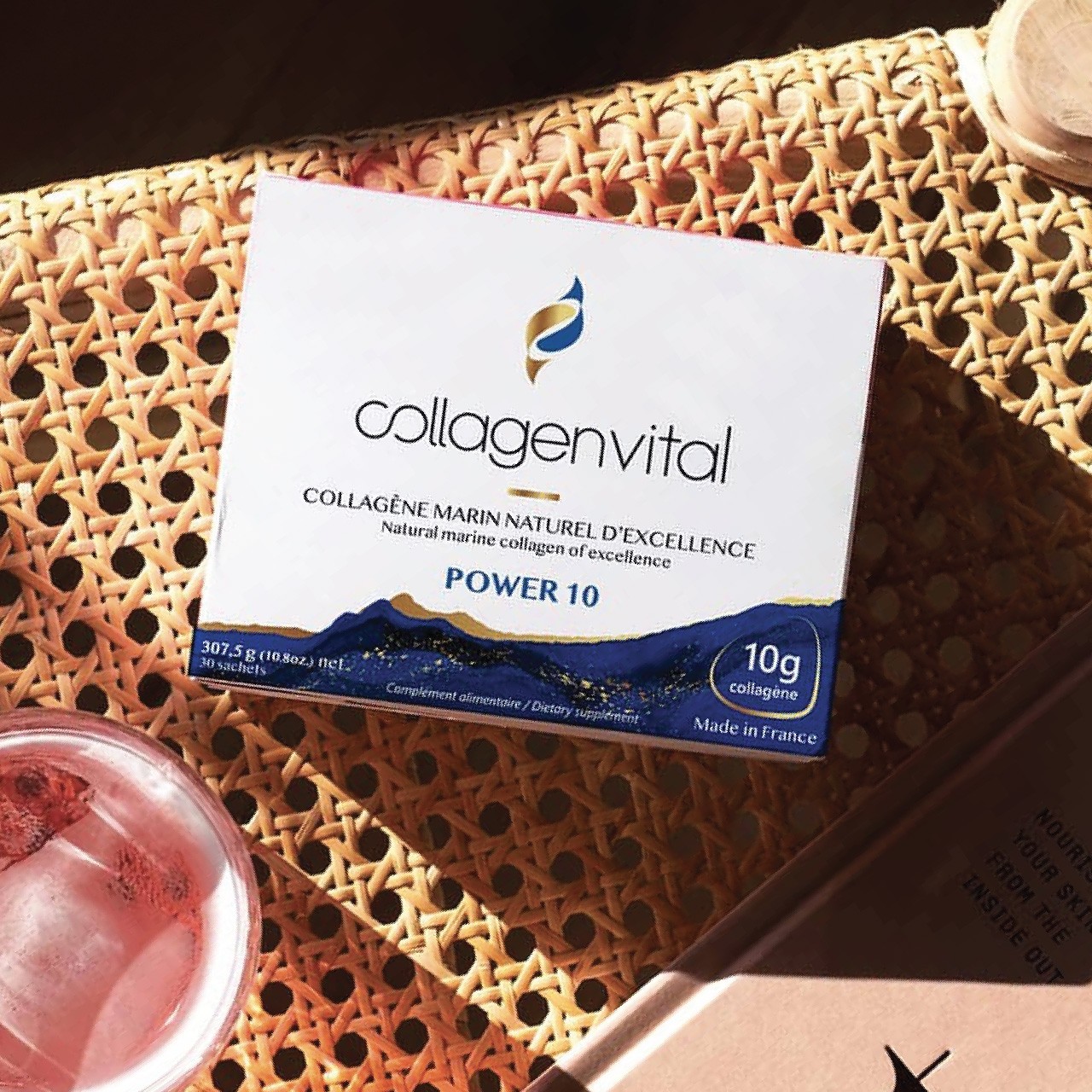
However, collagen supports connective tissues and has direct, scientifically proven effects on tendons and joints. For marine collagen, choose quality hydrolysed marine collagen peptides, dosed between 8 and 10 g in powder form for optimal absorption.
Studies (Shaw et al., AJCN, 2017) show that taking collagen peptides combined with vitamin C before mechanical exercise increases collagen synthesis in tendons by more than 100%.
The synergy of both is therefore ideal for athletes: whey and hydrolysed marine collagen. Add vitamin C for the perfect joint protection combo.

Athlete goals: classic protein or collagen?
| Goal | Classic protein | Marine collagen |
|---|---|---|
| Muscle building | Yes | No |
| Connective tissue repair | Low | Yes |
| Injury prevention | Low | Yes |
| Joint recovery | Moderate | Yes |
| Sleep / nervous recovery | Indirect | Yes (via glycine) |
Collagen is not a substitute for classic protein. But it is essential for long-term body durability in athletes, especially over the medium and long term.
Ideal timing and combination during competition season
Before training (30 to 60 min)
10 to 20 g of hydrolysed collagen + 50 to 100 mg of vitamin C.
Goal: stimulate collagen production in tendons during exercise.
After training
20 to 30 g of complete protein (whey, pea, etc.).
Goal: promote muscle repair and growth.
In the evening (optional)
10 g of collagen.
Goal: support overnight regeneration and deep sleep.
Tip: pair your collagen with a small glass of orange juice or kiwi for natural vitamin C.
The specific benefits of collagen for athletes
- It improves joint health (reducing pain and stiffness).
- It supports the skin (hydration, elasticity, anti-ageing).
- It promotes tendon and bone recovery.
- It is highly digestible, as it is often hydrolysed (already broken down into small peptides).
- It optimises performance and injury prevention.
Which proteins for which goals?
- Building muscle and recovering after sport: complete proteins (eggs, meat, legumes, whey) combined with hydrolysed marine collagen for tissues and tendons.
- Improving skin, nails, hair and joints: hydrolysed marine collagen is the go-to choice.
- Optimising daily active life: a combination of both (balanced diet + hydrolysed marine collagen supplement).
Our additional tips for athletes
Stay well hydrated
Connective tissues and cartilage need water to remain supple. Good hydration is the foundation of any effective supplementation.
Warm-ups and stretching
Complement the effects of collagen with proper warm-ups and stretching. This will help reduce mechanical stress on your joints.
Smart progression
Favour a gradual increase in exercise intensity so that tendons and ligaments can adapt smoothly.
Regular monitoring
Track your mobility, recovery and joint pain to continually adjust your intake of marine collagen peptides and other protein sources.
Happy training everyone!
Also read: