Menopause in summer: hot flashes and collagen
Menopause in summer: our practical tips to ease hot flashes and the role of hydrolysed marine collagen for skin, joints, bones and overall well-being.
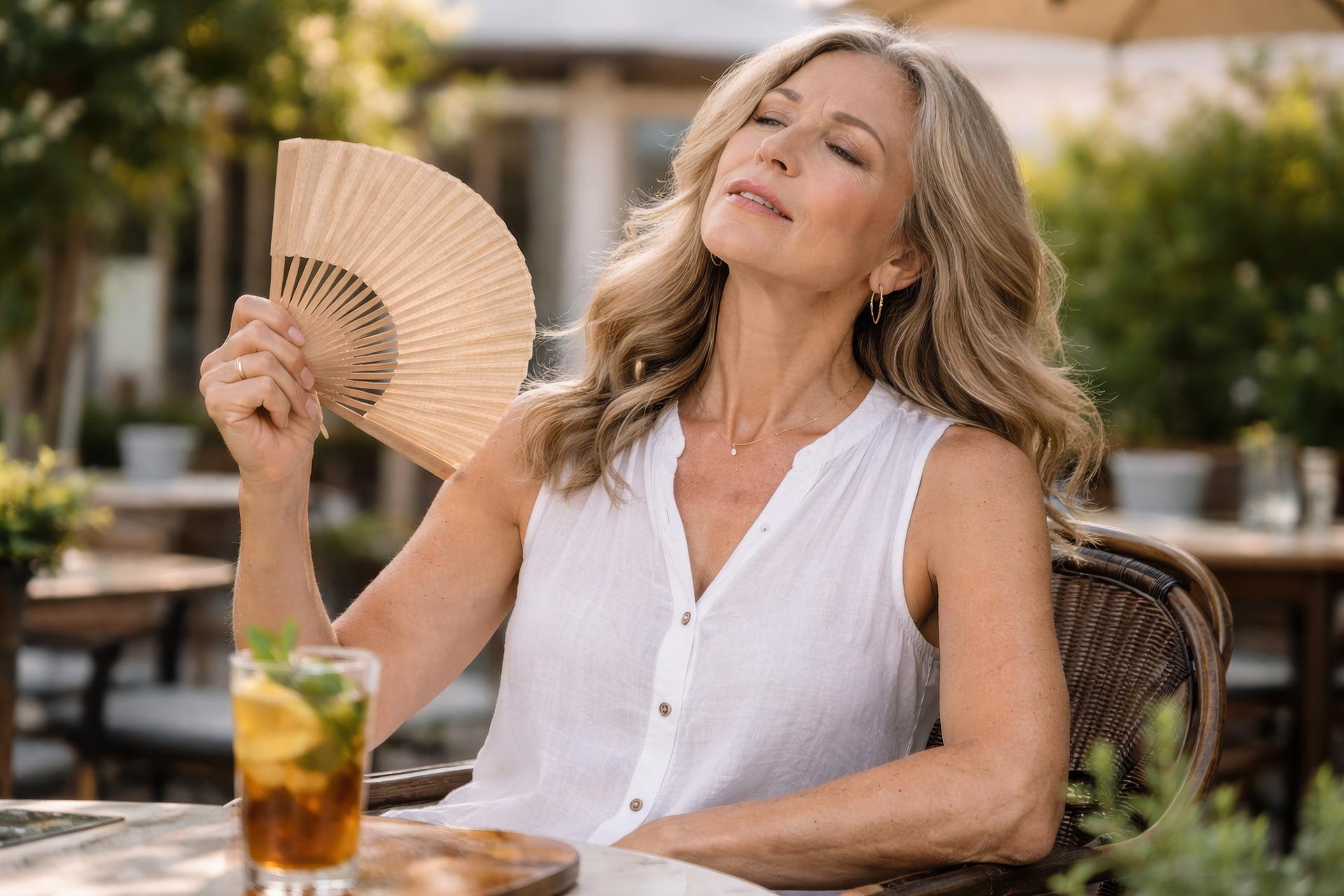
Menopause can be particularly hard in summer, because of hot flashes, night sweats, fatigue and sleep disorders. Fortunately, there are concrete strategies to live this period more comfortably. The role of collagen to drink is also very useful during menopause.
How to manage menopause during summer?
1. Reduce hot flashes
It is important to limit the hot flashes that disrupt everyday life under the sun. A few simple habits can make a real difference:
- Wear light clothing made of cotton or linen;
- Favour light colours and breathable fabrics;
- Keep a facial mist or a fan within reach;
- Sleep in a cool room with a fan or air conditioning;
- Avoid common triggers such as alcohol, spicy dishes and excess caffeine.
2. Stay well hydrated throughout the day
The drop in estrogen can increase skin dryness and feelings of fatigue. You should therefore drink water regularly throughout the day and add water-rich foods such as cucumber, watermelon and melon. Cold, sugar-free herbal teas can also help you fall asleep.
3. Support your sleep
Hot nights often worsen night-time awakenings. To sleep better:
- Take a lukewarm shower before bed;
- Use light linen sheets;
- Avoid screens as well as heavy meals eaten too late in the evening.
4. Protect your skin and hair
During menopause, the skin naturally loses its collagen and becomes thinner and drier. It is therefore advisable to use daily sun protection, to choose moisturising care rich in micro-collagen, ceramides and hyaluronic acid, to eat enough protein and omega-3, and above all to take a supplement of natural hydrolysed marine collagen to help keep your skin and joints healthy.
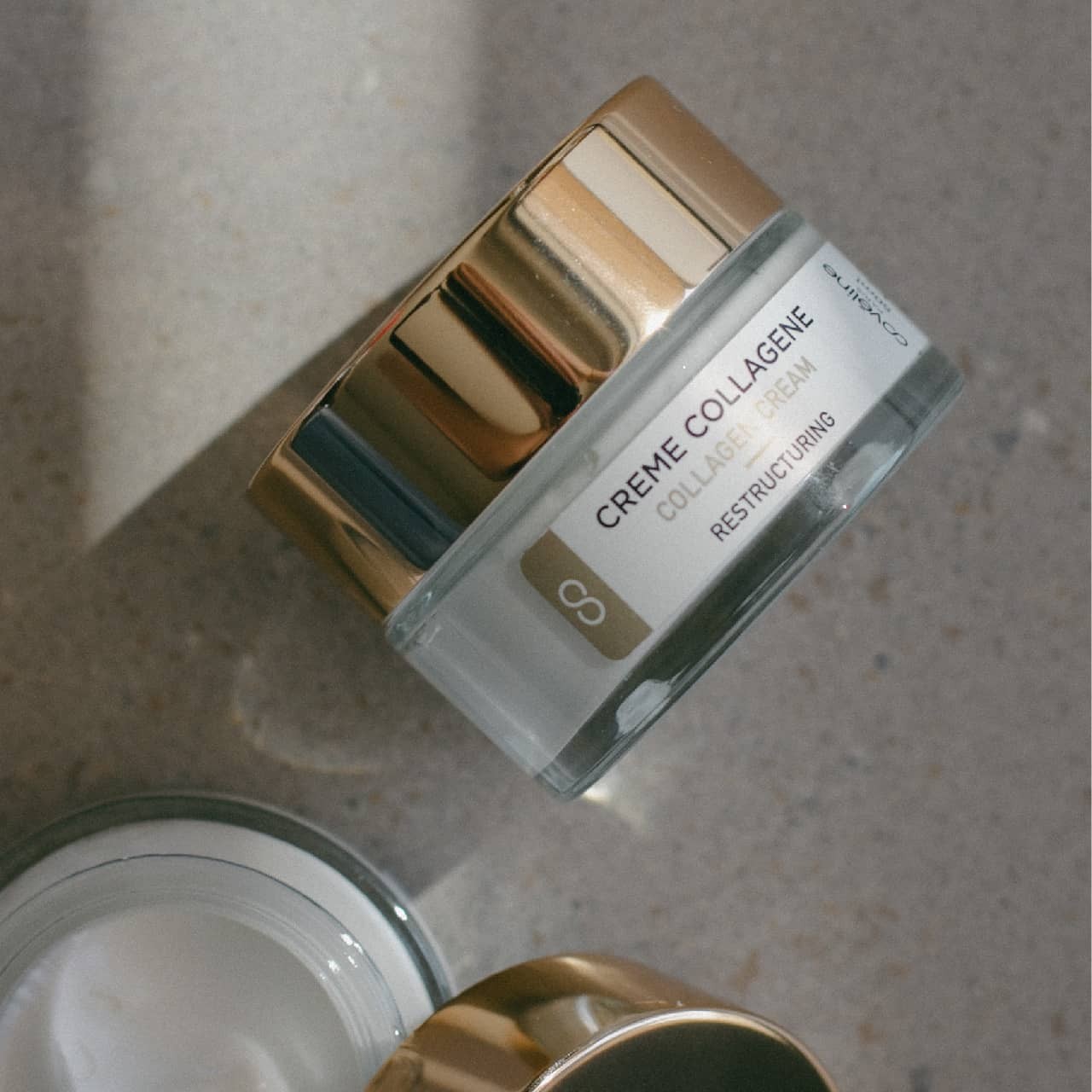
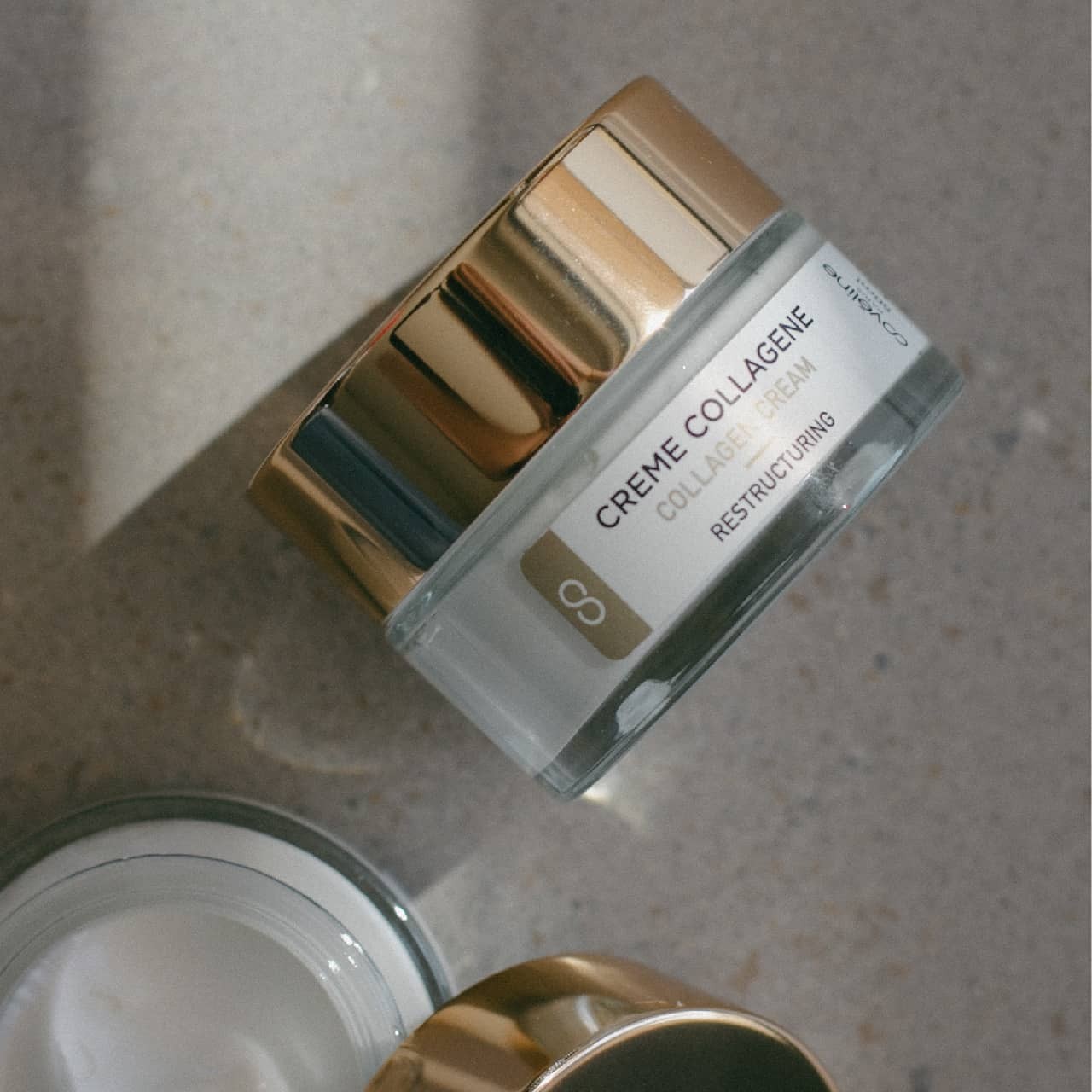
For your skincare routine, a collagen cream rich in moisturising actives ideally complements an oral cure.
What is the link between collagen and menopause?
The link between collagen and menopause is mainly based on the effects of the drop in estrogen on body tissues. Scientifically, collagen does not "treat" menopause, but it helps compensate for some of the biological consequences of the hormonal decline.
Why does menopause cause collagen loss?
Estrogen naturally stimulates collagen production in several tissues such as the skin, bones, tendons, cartilage and mucous membranes. After menopause, estrogen drops sharply. This decline leads to:
- a decrease in collagen synthesis;
- an increase in its degradation;
- a loss of tissue elasticity.
It is estimated that a woman can lose a significant part of her skin collagen in the first years following menopause. To go further, read our dedicated article: Collagen and menopause.
Can collagen to drink help during menopause?
Collagen is the most important protein in the dermis, connective tissues, joints, bones and tendons. After menopause, its natural production drops sharply. A well-dosed supplement of hydrolysed, bio-available marine collagen, in the form of functional di- and tri-peptides, can improve skin hydration, support elasticity and reduce the appearance of wrinkles.
It can also strengthen joints and mobility, reduce joint pain and help support bone mass. Indeed, marine collagen peptides, combined with a suitable diet, vitamin D and calcium, contribute to bone health.
Why choose a collagen drink supplement during menopause?
Collagen to drink usually contains hydrolysed collagen peptides. These proteins are cut into small, easier-to-absorb fragments which, once digested, provide amino acids (glycine, proline, hydroxyproline). These act as biological signals stimulating fibroblasts, the cells that produce endogenous collagen.
The drop in estrogen weakens the skin, which becomes drier and thinner, with more visible wrinkles. Studies show that supplementing with collagen peptides visibly improves skin hydration, elasticity and dermal density. That is why, by taking marine collagen peptides in sufficient quantity, dosed at 8 to 10 g and as a cure, you will obtain scientifically proven effects on the skin, with better elasticity and hydration.
Collagen peptides also have an effect on the joints. After menopause, inflammation and cartilage degradation can increase: collagen helps support cartilage, improve joint comfort and reduce some mild pain related to wear.
Collagen also contributes to bone health. Estrogen normally protects bone, but after menopause bone resorption increases and the risk of osteoporosis rises. Since collagen represents an important part of the bone matrix, combined with calcium, vitamin D and regular physical activity, natural marine collagen to drink helps maintain bone density.
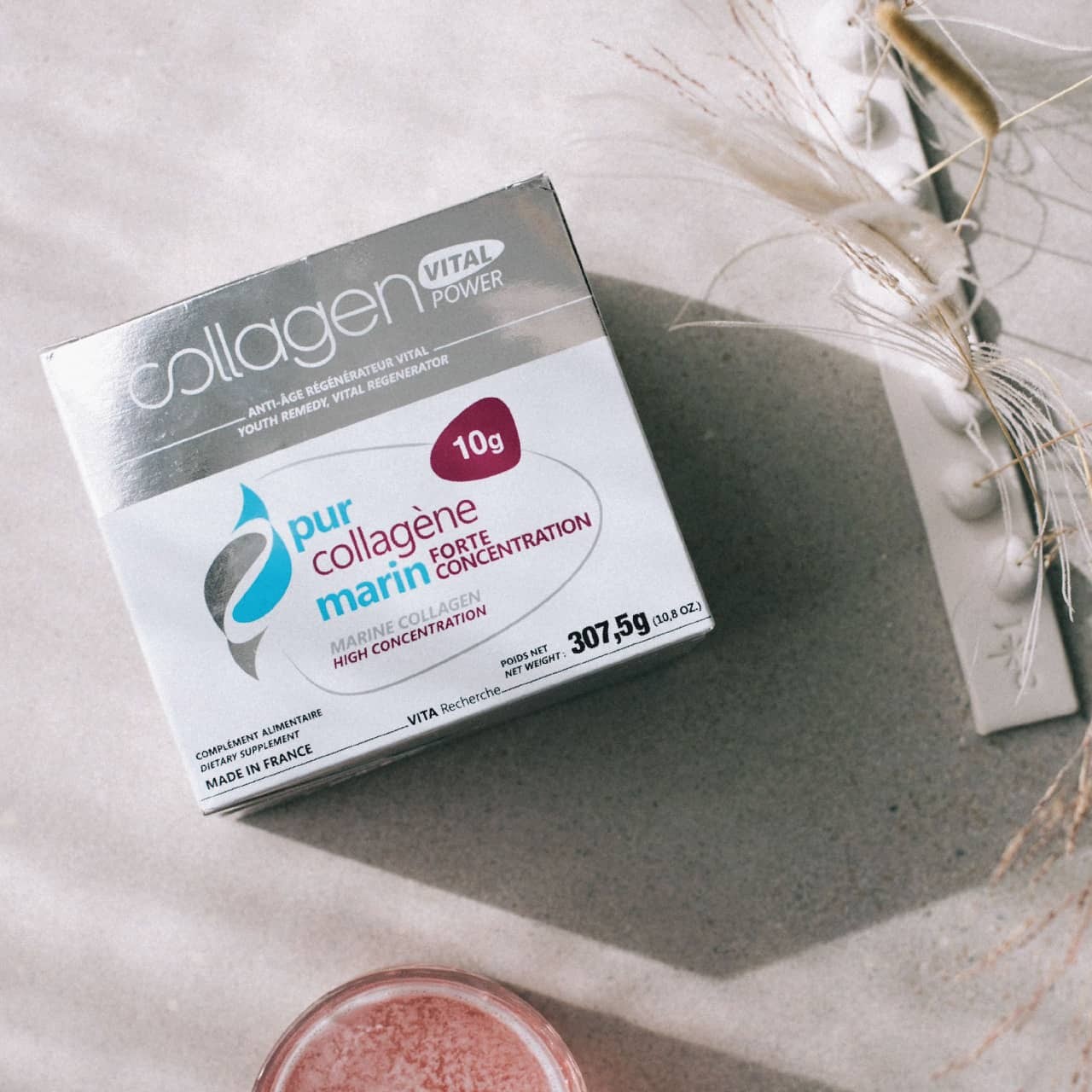
>> Discover Collagen Vital Power, our marine collagen to drink <<
On the other hand, collagen does not replace hormones and does not act as hormone replacement therapy. Its benefit is mainly structural: it acts as the scaffolding of the skin, bones, joints and connective tissues.
Why do some women feel "better" when drinking collagen?
This may come from a combination of factors: better skin quality, less joint pain, better mobility and an indirect improvement in sleep or physical comfort after taking a well-dosed hydrolysed marine collagen supplement. When the body is less inflamed and better hydrated, some women feel an overall sense of well-being during menopause.
The aim of hydrolysed collagen is therefore to provide peptides that can support the production and renewal of collagen in certain tissues. To understand the differences between types of collagen, read: Micro, hydrolysed and native collagen: what is the difference?
How to choose a collagen to drink?
Here are some tips for getting a quality collagen:
- Favour hydrolysed marine collagen peptides, bio-available for better absorption;
- Choose sachet packaging for better organoleptic preservation;
- Turn to brands that are transparent about their composition and recommended by doctors;
- Combine it with vitamin C, useful for better collagen synthesis.
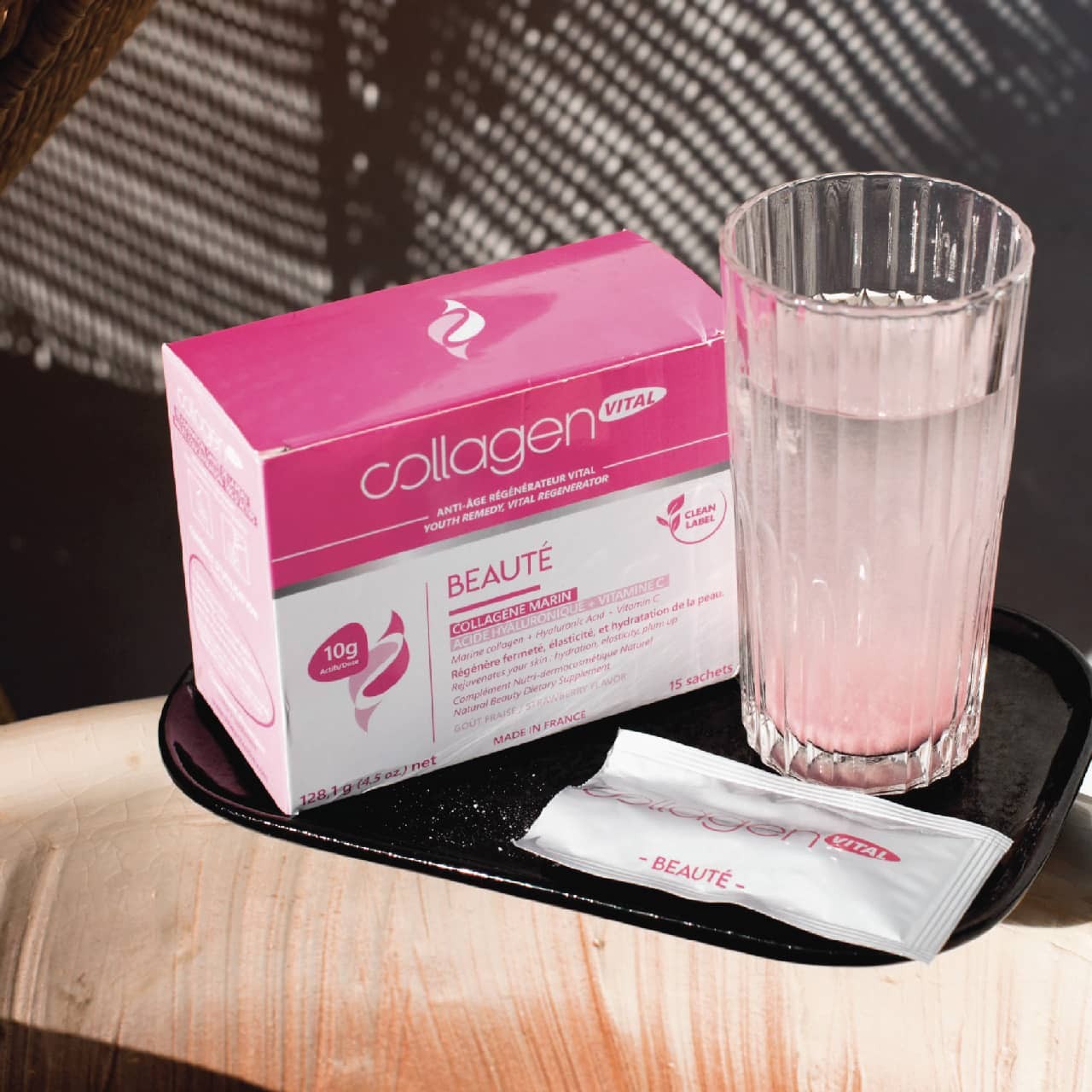
To help you compare, discover our guide: Which marine collagen to choose? You can also opt for Collagen Vital Beauté, specially formulated for the skin.
What is the best anti-hot-flash programme for summer?
The idea is to offer a clear and realistic programme to get through summer with fewer hot flashes. The goal is not to change everything at once, but to build habits that really make a difference.
In the morning (a gentle wake-up)
- Drink a large glass of water as soon as you wake up;
- Have a light breakfast that keeps blood sugar stable: plain yoghurt + chia seeds + red berries, or eggs + wholegrain bread;
- Avoid coffee on an empty stomach; if you really want it, drink it after eating;
- Try 5 minutes of slow breathing (inhale for 4 seconds, exhale for 6 seconds) to regulate heat peaks.
During the day
- Hydrate regularly, before you feel thirsty;
- Eat light at lunch, as heavy meals increase internal heat;
- Avoid alcohol, spicy dishes and excess sugar;
- Keep a facial mist and run your wrists under cold water for an immediate effect;
- Favour walking early in the morning or in the evening and avoid exercising in full heat, which worsens symptoms.
At the end of the day
This is the most critical time for hot flashes. It is better to plan a light dinner based on vegetables and protein (fish, tofu, chicken). Avoid alcohol in the evening and overly large meals. A cold sage or mint infusion can help some women better manage hot flashes.
During the night
The goal is to sleep without overheating. Take a lukewarm shower (not cold, otherwise you get a rebound effect) and ideally sleep in a cool room, around 18 to 20 °C. To avoid night-time awakenings, practise slow breathing and keep the covers light.
What are the best foods during menopause?
Nutrition is essential during menopause. Here are the food families to favour:
Foods rich in phytoestrogens
They slightly mimic estrogen and may reduce hot flashes: soy, tofu, soy milk, flax seeds, chickpeas, lentils.
Foods rich in calcium
Important to prevent bone fragility: plain yoghurts, almonds, sardines (with bones), green vegetables (broccoli, kale).
Good fats
For their anti-inflammatory side, they help the skin, brain and mood: oily fish (salmon, mackerel), olive oil, nuts, seeds.
Hydrating foods
Essential in summer for general health: cucumber, watermelon, melon, courgette, tomatoes.
Proteins
Key for healthy skin and muscle health (menopause accelerates muscle loss) and to regain energy: eggs, fish, chicken, legumes.
Conversely, it is advisable to limit common hot-flash triggers: alcohol, coffee (especially in the afternoon), fast sugars and spicy dishes. Looking for fresh, tasty ideas? Discover our iced recipes and summer smoothies with marine collagen. And to enjoy the sun with peace of mind, read Collagen and sun: is it a protection?
Every woman reacts differently to menopause. The best indicator is you: note what triggers your hot flashes for a week and you will quickly identify your real triggers. Take this period with patience and stay serene.
>> Start your marine collagen cure with Collagen Vital Power <<