Marine collagen: why September is the ideal time to start a course
Skin weakened by summer, back to sport, a busier pace: discover why September is the ideal time to start a marine collagen course and how to choose it.

September often feels like a fresh start. After the holidays, going back to work, school or a busier routine calls for energy and a good capacity to adapt. It is also the time of year when we pick up healthy habits again and take better care of ourselves.
Among the most popular food supplements, marine collagen has become a must-have. Far more than a beauty ally, it also supports joint comfort, recovery and the maintenance of the body's tissues.
Why is collagen essential?
Collagen is the most abundant protein in the human body. It accounts for nearly 30% of the body's proteins and is a key building block of the skin, tendons, ligaments, cartilage and bones.
From the age of 25, our natural production gradually declines. This decline is accelerated by many factors:
- natural ageing;
- sun exposure over the summer;
- the stress of returning to work;
- an unbalanced diet;
- lack of sleep and physical activity;
- hormonal changes.
Early autumn is an excellent time to support this production naturally. It is the perfect moment to get back on track. A marine collagen course fits easily into a wellness routine designed to look after your skin, your joints and your whole body.
Combined with a healthy lifestyle, marine collagen can become a genuine partner for approaching the autumn months with peace of mind.
Why start a marine collagen course in September?
1. To repair the effects of summer on the skin
Sun, heat, sea salt and chlorine all weaken the skin. Even while the tan is still there, the skin can quickly become drier and lose elasticity. We explained this in detail in our article How summer damages our collagen capital.
Hydrolysed marine collagen provides peptides that help maintain the structure of the skin. Combined with a balanced diet and good hydration, it helps preserve a suppler, firmer skin.
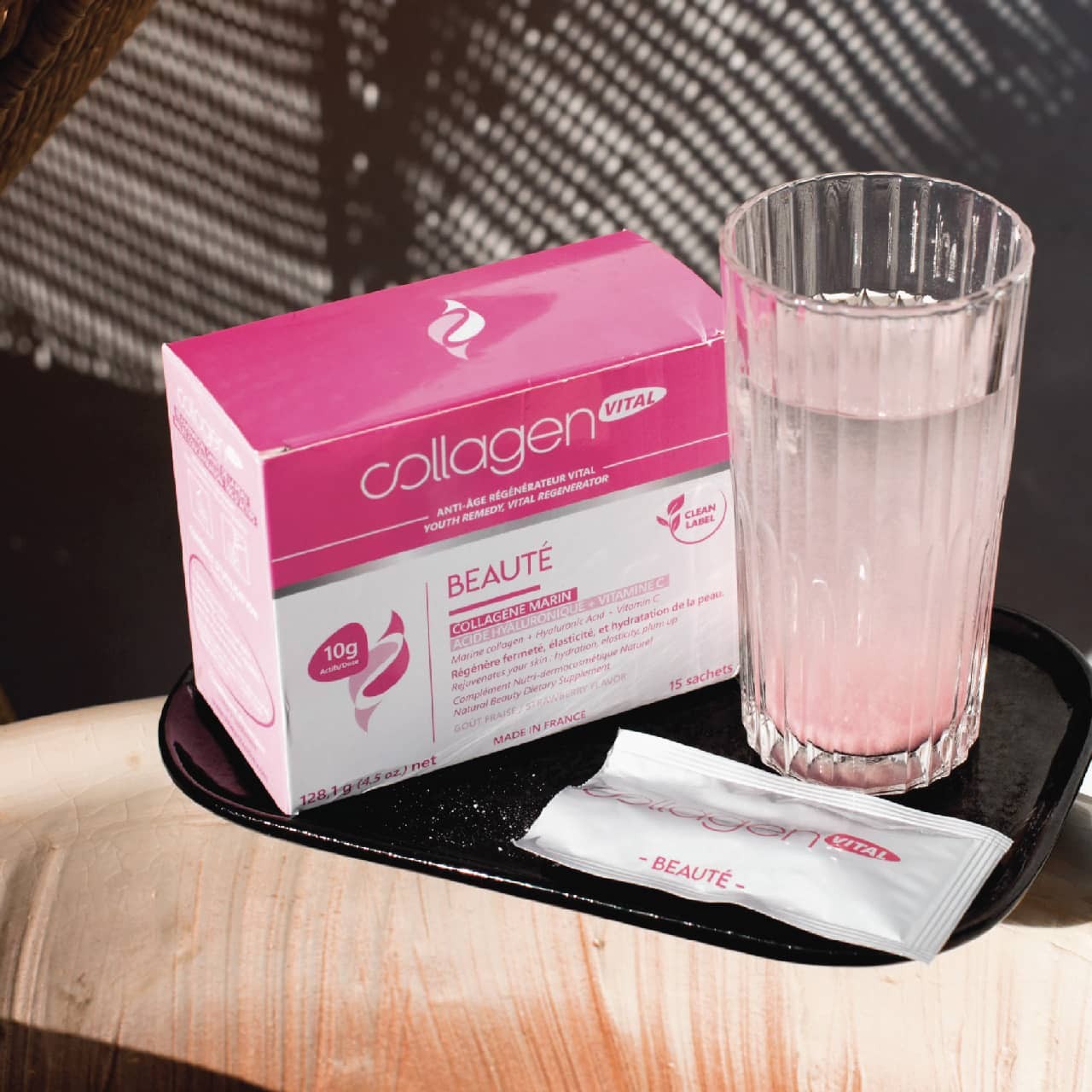
Discover Collagen Vital Beauty ›
2. To get back into good habits
September usually comes with new goals: getting back to sport, eating a more balanced diet, sleeping better, returning to a skin and body care routine. Adding a daily marine collagen course fits perfectly into this wellness approach.
3. To support the return to physical activity
After the summer break, many people go back to running, the gym or outdoor activities. Joints, tendons and ligaments are then put under particular strain.
As collagen is a major component of these tissues, supplementation can be part of an overall strategy for recovery and joint comfort. To go further, read our sports protocol: protein supplements or marine collagen?
4. To support the body during a more demanding period
The back-to-work season often means busier days, a faster pace and sometimes fatigue.
Although collagen is not a stimulant, it contributes to the proper functioning of many tissues in the body. A complete health routine, including a varied diet, regular physical activity and suitable micronutrients, helps you face this period in better shape.
What are the main benefits of marine collagen?
Users value marine collagen for several reasons:
- helping to maintain the firmness and elasticity of the skin;
- contributing to joint comfort;
- supporting connective tissues;
- promoting better recovery after exercise;
- strengthening hair and nails, as part of a balanced diet.
The effects are generally noticed after several weeks of regular intake. Find out more in our article Marine collagen: benefits, effectiveness and how to choose it well.
How to choose a good marine collagen?
Not all products are equal. For optimal quality, look for:
- hydrolysed collagen (collagen peptides), for better absorption;
- a low molecular weight;
- a formula free from unnecessary additives;
- a dose of around 8 to 10 g per day;
- a French laboratory, backed by the opinion of healthcare professionals.
Also remember to get vitamin C from your diet, as it contributes to normal collagen formation in the body.
Why is science interested in marine collagen peptides?
Science is interested in marine collagen peptides because they are a source of small protein fragments (peptides) that are easily absorbed by the body. Researchers are studying their potential in several areas, although the evidence is stronger for some uses than for others.
The main areas of research
- Skin health: this is the best-documented area. Several studies suggest that daily supplementation with collagen peptides can improve hydration and elasticity and slightly reduce wrinkle depth, particularly after several weeks of use.
- Joints: clinical trials show that collagen peptides may reduce joint pain and support joint function, particularly in active people or those with osteoarthritis.
- Bones: some research points to a potentially beneficial effect on bone metabolism, especially when combined with a sufficient intake of calcium and vitamin D. The data are promising.
- Muscles: alongside resistance training, collagen peptides may help maintain muscle mass in older adults.
Why "marine" collagen in particular?
Marine collagen is generally extracted from fish skin, scales or bones. Researchers are interested in it for several reasons: it makes use of by-products of the fishing industry, it is rich in type I collagen (the main collagen in the skin and the human body) and, once hydrolysed into peptides, it is well absorbed by the body.
The differences observed between studies are often linked to the formulation, the dose or the quality of the product. To understand what sets the different forms apart, see our article Micro, hydrolysed and native collagen: what is the difference?
The benefits best supported by studies mainly concern the skin, with measurable effects in consumers. For joints and bones, the results are more than encouraging. Finally, remember that collagen peptides do not replace a balanced diet, sufficient protein intake and physical exercise, but they contribute greatly to tissue health. Find all the data on our Science page.
How long should an effective marine collagen course last?
A course generally lasts between 4 and 8 weeks, with a daily intake. September is therefore ideal for starting a programme whose effects will last until winter arrives.
For lasting results, some people choose to follow several courses throughout the year. The protocol can also be adapted to your profile: find out which course protocol to adopt for your age.
Which course should you choose this September?
September is the month of renewal: give your body the nutrients it needs to regain comfort, vitality and radiance. Choose the course that suits you from Collagen Vital:
- For the skin: Collagen Vital Beauty;
- For hair and nails: Collagen Vital Hair & Nails;
- For tissues, joints or sport: Collagen Vital Power;
- If a few pounds crept in over the holidays: Collagen Vital Slimming & Detox.
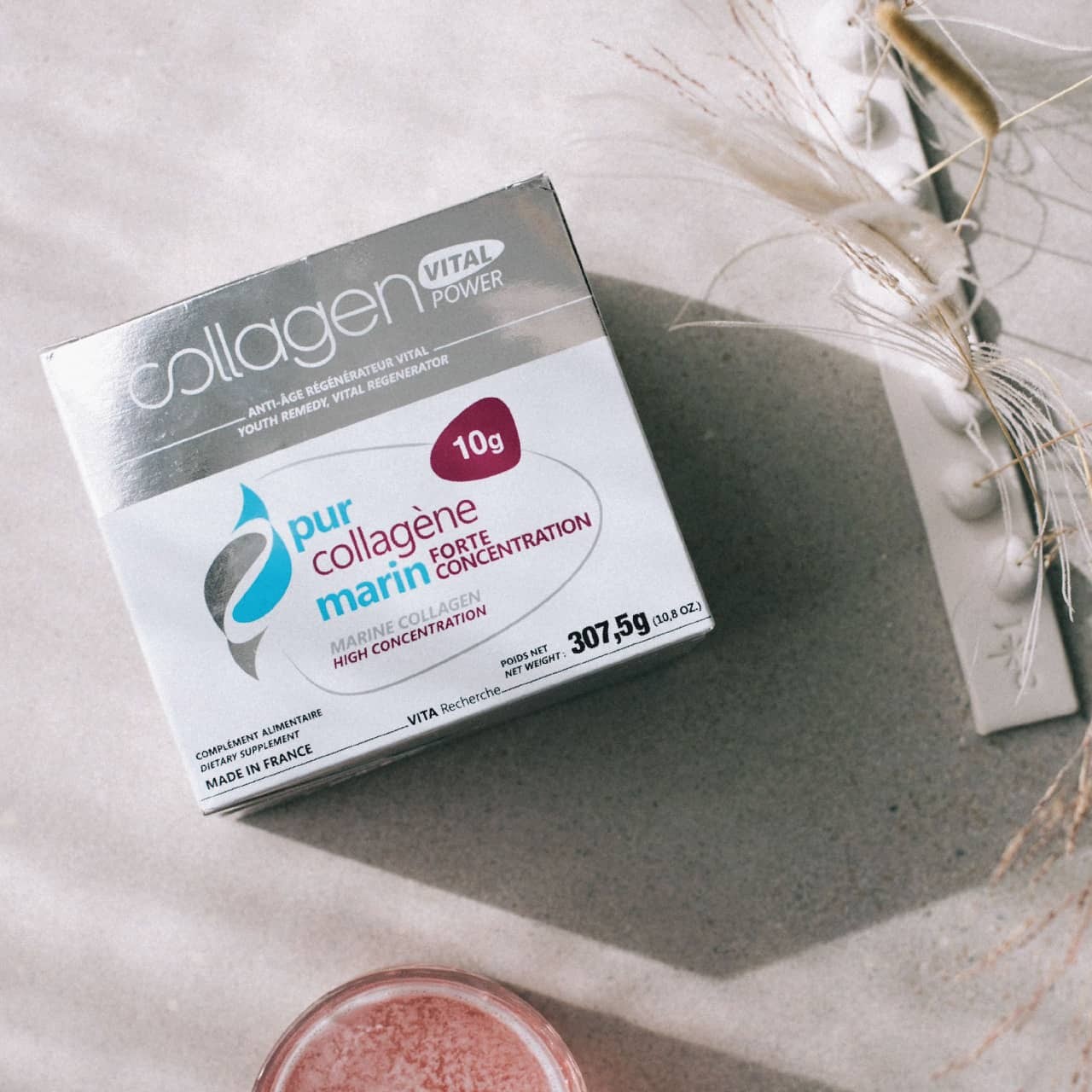
For every need, a Collagen Vital answer to feel good.
Discover all Collagen Vital courses ›
Good habits to combine with marine collagen
To get the most out of your course:
- drink enough water;
- favour a diet rich in protein and vitamin C;
- protect your skin from the sun, even in September;
- exercise regularly;
- get enough sleep to support the body's natural regeneration mechanisms;
- use a collagen serum and return to a skincare routine suited to skin weakened by the excesses of summer.
Which post-summer skincare routine goes with your collagen supplement?
After summer, the goal is usually to repair the skin barrier, correct the effects of the sun (dark spots, uneven complexion, dehydration) and prepare the skin for autumn, without stressing it.
If you would like to use dermo-cosmetics such as Covéline products, a September routine could look like this.
In the morning
- Gentle cleanser: Hydraclean cleansing foam.
- Antioxidant serum, to help restore radiance and fight UV-related oxidative damage: Collagen Serum or Lift Serum.
- Moisturiser: choose a cream containing active ingredients such as hyaluronic acid, ceramides, panthenol or glycerin, for example Collagen Cream or Pepti Power Cream.
- SPF 50 sun protection: even in September, this is the most important step to prevent pigmentation spots from settling in.
In the evening
- Cleanser: Hydraclean foam removes make-up and then cleanses without stressing the skin.
- Renewing active (2 to 3 evenings a week at first): Botulinic-Like Serum or Lift Serum, for wrinkles and cell renewal.
- Hydrating and repairing serum, on some evenings: Hyaluronic Acid Serum.
- Repairing cream: a nourishing cream to restore the skin barrier, such as Covéline's Collagen Cream or Pepti Power Cream.
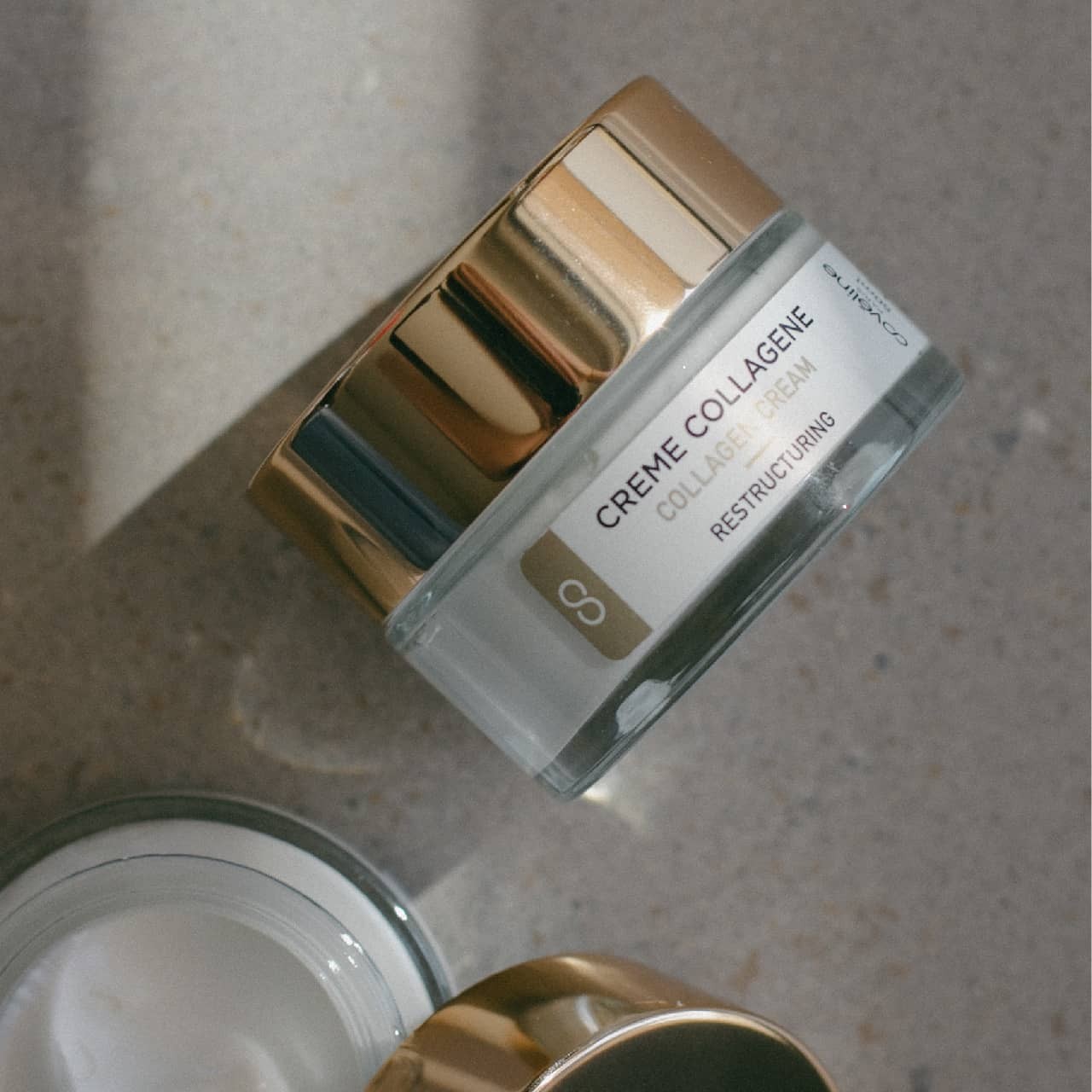
To understand why these products deliver such results, read our article Why Covéline dermo-cosmetics deliver results on the skin.

Related products
Collagen Vital Power